

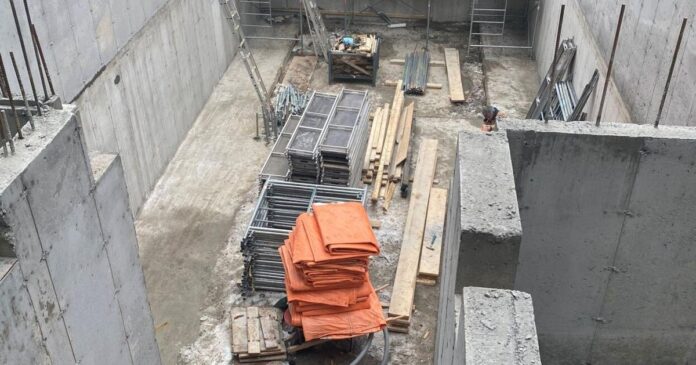

Toronto city staff want to put new limits on ‘iceberg homes’, which are residences that have been extensively excavated and expanded below ground level. This trend has been seen across many states and countries, raising concerns about the impact on local communities and the environment. In this article, we explore what ‘iceberg homes’ are, the reasons behind their growing popularity, and the potential restrictions being proposed.
Understanding ‘Iceberg Homes’
Iceberg homes, so-called due to the majority of their square footage being hidden below ground level, are becoming a popular architectural trend. These homes, though appearing modest from the street view, often contain multiple levels of living spaces beneath ground. This trend is particularly prevalent in wealthy neighborhoods where property owners are restricted by zoning laws from expanding their homes horizontally or vertically.
The Rise of ‘Iceberg Homes’
The trend of ‘iceberg homes’ can be attributed to several factors. In densely populated cities, where land is scarce and expensive, homeowners are seeking to maximize their living space without infringing on zoning regulations. These homes also offer a sense of privacy and security, being shielded from the noise and bustle of the city. Additionally, they provide an opportunity to incorporate luxury amenities such as home theaters, gyms, and swimming pools that might not be feasible within the constraints of a traditional home design.
Concerns and Criticisms
Despite their appeal, iceberg homes have been criticised for their potential impact on the local community and environment. The extensive excavation required for their construction can cause disruption to neighbors and potential structural damage to adjacent properties. There are also concerns about increased energy consumption and the impact on local wildlife habitats. In light of these concerns, Toronto city staff are proposing new limits on the construction of iceberg homes.
New Limits on ‘Iceberg Homes’
While the specifics of the proposed restrictions are yet to be revealed, they are expected to address the scale of excavation allowed and implement stricter environmental impact assessments. The aim is to balance the desire for homeowners to maximize their property’s potential with the need to preserve the character and stability of local communities and the environment.
The proposed limits reflect a growing recognition of the need for sustainable urban development. The trend of ‘iceberg homes’, while innovative, highlights the challenges of managing urban growth in a way that respects both individual property rights and community interests.
Conclusion
The debate over ‘iceberg homes’ underscores the complexities of urban planning and housing policy. As cities continue to grow and evolve, it’s crucial that we find ways to accommodate change while preserving the qualities that make our communities livable and sustainable. The proposed limits on ‘iceberg homes’ in Toronto represent one attempt to navigate these challenges.
