


Which delivers the most nutritional heft: Chia, hemp or flax seeds? This has become a common question among health enthusiasts as these so-called “super seeds” have gained popularity for their impressive nutritional benefits. They have become popular add-ins to hot cereal, smoothies, and protein shakes. Not only are they outstanding sources of anti-inflammatory omega-3 fats, but they also provide a considerable amount of daily fibre, magnesium, iron and/or zinc requirements depending on the type of seed. Another healthy addition to your diet could be psyllium husk, which offers different nutritional benefits than seeds. Let’s delve into the unique nutritional qualities, potential health benefits, and easy ways to incorporate these super seeds and psyllium husk into your meals and snacks.
Chia seeds
Chia seeds, which come in either black or white varieties, pack a serious nutritional punch. Consuming two tablespoons of these tiny seeds provides 5 grams of ALA, an essential omega-3 fatty acid that the body can’t generate on its own. Women need 1.1 g of ALA per day, while men require 1.6 g. Higher intakes of ALA have been associated with a lower risk of cardiovascular disease. In addition to ALA, two tablespoons of chia seeds (138 calories) also provide 10 g of fibre, 129 mg of calcium, 95 mg of magnesium, 2 mg of iron and nearly 30 per cent of a day’s worth of selenium, a mineral vital for normal thyroid function.
Hemp seeds
Hemp seeds are crunchy and have a slightly sweet, mild nutty flavour. They can be eaten raw, toasted, or used to make hemp milk and protein powder. Two tablespoons of hemp seeds (110 calories) deliver 2 g of ALA along with 6 g of protein, 2 mg of zinc, and a notable 140 mg of magnesium. Women and men require 320 and 420 mg of magnesium per day, respectively. Furthermore, hemp seeds are an exceptional source of manganese, a trace mineral needed for immune health, normal brain function, and bone development. Hemp hearts, the inner part of hemp seeds with the hard outer shell removed, are nutritionally similar to hemp seeds, although they have slightly less fibre.
Flaxseeds
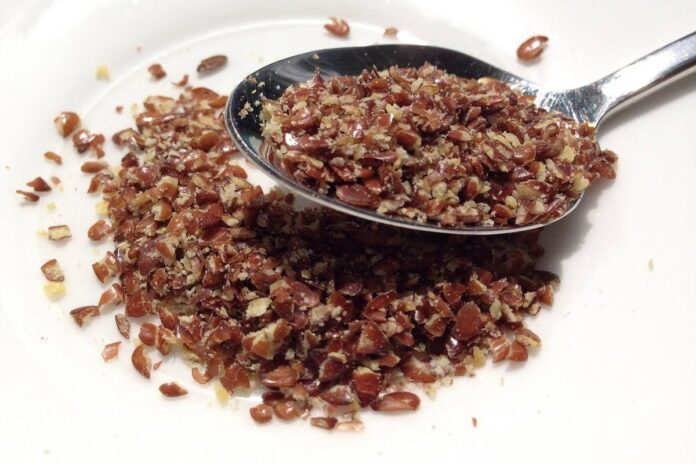
Flaxseeds, also known as linseed, need to be ground (flax meal) to fully reap their nutritional benefits. Otherwise, the tiny seeds will pass through the intestinal tract undigested. Two tablespoons of ground flax (75 calories) contain 3.2 mg of ALA, as well as 4 g of fibre and 55 mg of magnesium. Ground flax is the richest dietary source of phytochemicals known as lignan precursors. Once consumed, these precursors are converted to lignans in the gut. Lignans act as plant estrogens, potentially lowering the risk of heart disease and breast cancer.
How to use chia seeds, hemp seeds, and ground flax
While these seeds are nutritious additions to hot cereal and smoothies, there are plenty of other ways to include them in your menu. You can stir them into yogurt and cottage cheese, sprinkle them over avocado toast, or add them to muffin, pancake, cookie, and energy ball batters. Hemp seeds or ground flax can also be added to meat loaf or turkey burger recipes, and hemp seeds can be tossed into green salads. Chia pudding is another great option, combining these seeds with a milk of your choice, a little maple syrup, and a dash of vanilla or cinnamon. Since chia seeds, hemp seeds and ground flax each have unique nutrition profiles, it’s beneficial to mix it up and include all three in your diet.
About psyllium husk
Psyllium husk is a type of viscous soluble fibre best known for its ability to relieve constipation. This fibre holds onto water and forms a gel in your digestive tract, adding bulk to stool and making it easier to pass. Psyllium husk also helps lower LDL cholesterol, slows the rate at which glucose enters the bloodstream, and promotes satiety after eating. Some of the fibre in psyllium husk also acts as a prebiotic, increasing levels of beneficial gut bacteria. Whole psyllium husks are slower to digest and don’t mix well into water, so psyllium husk powder, which absorbs liquids quickly and is easier to mix and consume, is often preferred. Psyllium husk can be added to oatmeal, overnight oats, yogurt, smoothies, protein shakes, soups, and stews. Just be sure to drink at least 8 ounces of water per tablespoon of psyllium added to food. If you’re using psyllium husk powder, remember it gels quickly, so you may need to add extra liquid to your recipe. You can also mix psyllium husk powder into 8 to 12 ounces of water and drink it. Start slowly with one teaspoon and gradually increase to one tablespoon. As psyllium can reduce the absorption and effectiveness of several medications, consult your pharmacist before starting psyllium.
Leslie Beck, a Toronto-based private practice dietitian, is director of food and nutrition at Medcan.
