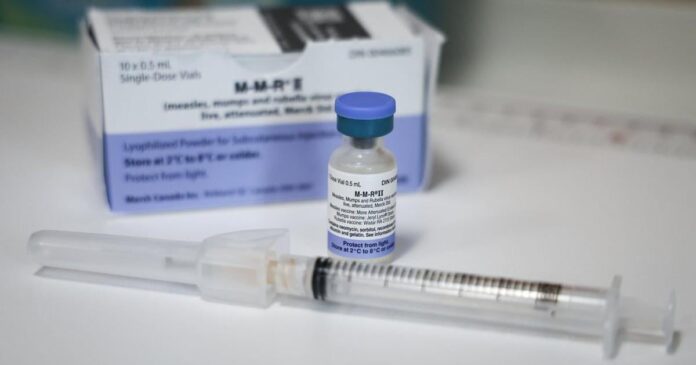

Recent reports from Quebec have indicated three confirmed cases of measles linked to a Montreal-area pediatric centre. This alarming update has put the issue of public health and safety back into the spotlight and sparked discussions on the importance of vaccinations and public health policies across different states and countries.
Understanding Measles and its Impact
Measles is a highly contagious disease caused by a virus that spreads through the air when an infected person coughs or sneezes. It’s so contagious that if one person has it, up to 90% of the people close to that person who are not immune will also become infected (CDC). Despite the availability of a safe and effective vaccine, measles remains a leading cause of death among young children globally (WHO).
The Role of Public Health Policies
Public health policies play a critical role in disease control and prevention. They set the standards for immunization, regulate healthcare practices, and provide a framework for the management of outbreaks. The recent measles cases in Quebec emphasize the importance of these policies in protecting not only individual health but also the health of communities and nations as a whole.
Immunization Policies Across Different States and Countries
Immunization policies vary greatly across different states and countries, reflecting a range of attitudes towards public health. In the United States, for instance, all 50 states have legislation requiring specified vaccines for students, but exemptions vary from state to state (NCSL). In contrast, countries like Australia have adopted a “No Jab, No Pay” policy, where parents lose certain benefits if their children are not fully vaccinated (Australian Government Department of Health).
Moving Forward: The Importance of Vaccination
The recent measles cases in Quebec serves as a reminder of the importance of vaccination in controlling the spread of diseases. Vaccines save millions of lives each year and are widely recognized as one of the most cost-effective health interventions. Yet, coverage is still not optimal in many parts of the world, leading to outbreaks of diseases that could have been prevented (WHO).
Collectively, we have the responsibility to protect ourselves and those around us by getting vaccinated and adhering to public health guidelines. Only then can we hope to prevent future outbreaks and ensure the health and safety of our communities.
