

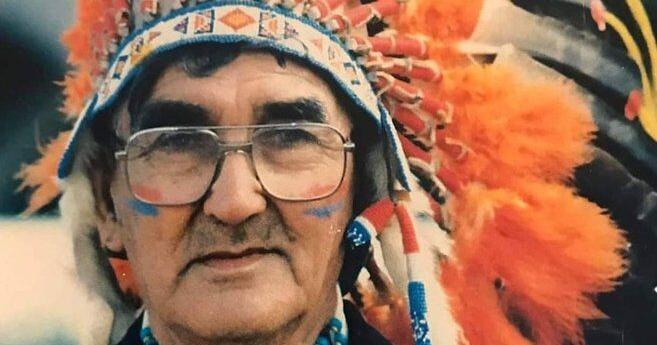

The recent return of a sacred headdress to Manitoba’s Long Plain First Nation by the Manitoba Museum marks a significant step in the ongoing effort to restore historical artifacts to their rightful owners. This repatriation is not merely an act of restitution, but a notable example of cultural preservation and respect for Indigenous heritage.
The Sacred Headdress: An Emblem of Indigenous Heritage
The sacred headdress, a symbol of Indigenous culture and spirituality, was originally removed from the Long Plain First Nation, located in the heart of Manitoba, Canada. This artifact holds great significance to the people of this region, each detail in its design carrying a unique story and meaning. Over time, the headdress found its way to the Manitoba Museum, where it was preserved and displayed as part of their collection.
Repatriation: Returning Cultural Artifacts to Their Rightful Places
Repatriation, the process of returning artifacts to their places of origin or rightful owners, has become a significant focus in museums worldwide. The Manitoba Museum’s decision to repatriate the sacred headdress to the Long Plain First Nation is a commendable act of recognizing Indigenous rights and promoting cultural respect. This move sets a positive precedent for other institutions to follow and foster relationships with Indigenous communities.
The Role of the Manitoba Museum
The Manitoba Museum has long been known for its commitment to preserving and showcasing the diverse cultural history of Manitoba. With its extensive collections and exhibitions, the museum serves as an educational resource for the community. However, the decision to return the headdress signals a shift in their approach, demonstrating an understanding of the importance of cultural artifacts remaining within their original communities for preservation and the continuation of cultural practices.
A Future of Mutual Respect and Understanding
The repatriation of the sacred headdress is more than an act of returning a piece of history. It symbolizes a path towards a future where cultural heritage is respected, honored, and preserved within the communities they originate from. It also signifies the potential for further collaboration and understanding between museums and Indigenous communities. This act by the Manitoba Museum serves as an example for other cultural institutions, encouraging them to engage in similar acts of respect and recognition.
The return of the sacred headdress to the Long Plain First Nation is a significant milestone in acknowledging and honoring Indigenous culture and heritage. It represents a hopeful step towards a future where cultural artifacts are preserved and celebrated within their original communities and serves as a reminder of the importance of mutual respect and understanding between cultural institutions and the communities they serve.
