

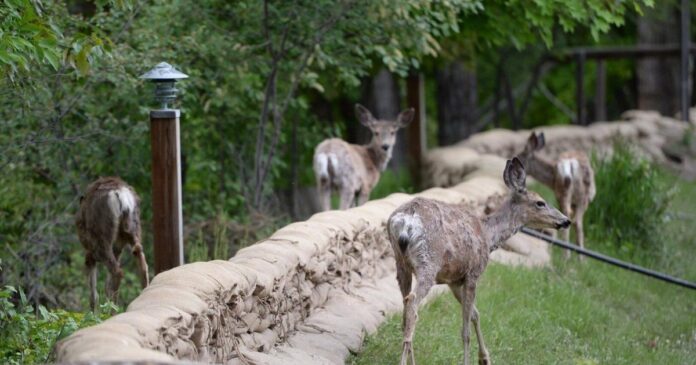

The Canadian province of British Columbia is dealing with a growing concern as “Two new cases of chronic wasting disease confirmed in deer in B.C.‘s Kootenay” region. This development brings the total number of cases in the province to eight, raising serious concerns for wildlife officials and environmentalists.
Understanding Chronic Wasting Disease
Chronic wasting disease (CWD) is a transmissible neurological disease that affects deer, elk, and moose. It is characterized by weight loss, abnormal behavior, and ultimately leads to the animal’s death. The disease is caused by prions, abnormal proteins that damage the animal’s brain. The disease is highly infectious and can spread quickly within deer populations.
Chronic Wasting Disease in British Columbia
The first cases of CWD in British Columbia were detected in 2020. Since then, the disease has been slowly spreading across the province’s wildlife. The recent discovery of two new cases in the Kootenay region has raised alarms, as it indicates that the disease is not contained and continues to affect more animals.
Response to the Outbreak
In response to the growing threat of CWD, the British Columbia Ministry of Forests, Lands, Natural Resource Operations and Rural Development has ramped up monitoring and testing measures. They are working closely with Indigenous communities, hunters, and other stakeholders to manage the disease and limit its spread.
Impact on Local Ecosystem and Hunting
The spread of CWD poses a significant threat to the local ecosystem. Deer, elk, and moose play a crucial role in the ecological balance, and their decline could result in cascading effects on other species. Additionally, the disease could impact hunting, a popular activity and significant source of income in the Kootenay region.
Public Health Concerns
While CWD is not known to affect humans, health authorities advise against consuming meat from infected animals. The World Health Organization also recommends that any animal suspected of having the disease should not enter the human food chain. The risk to human health is currently considered low, but research is ongoing.
As the issue continues to unfold, it’s clear that tackling CWD in British Columbia requires ongoing surveillance, robust research, and a coordinated effort from various stakeholders. The aim is to protect the province’s valuable wildlife and the communities that rely on it.
