

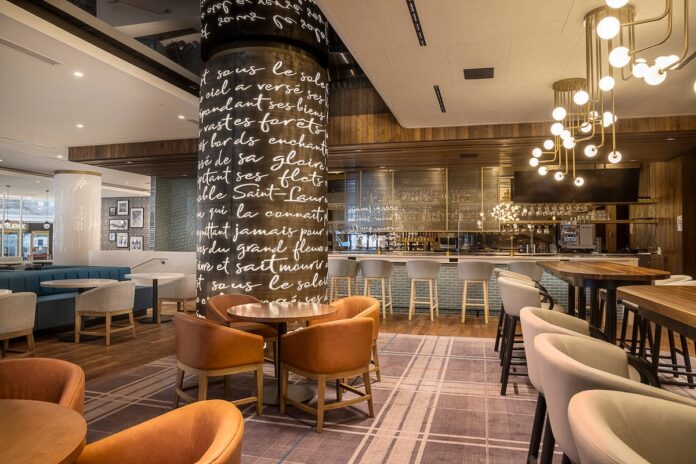

The Hilton Quebec, an iconic hotel that has been a part of Quebec City’s skyline since 1974, is now making headlines for a different reason. In a landmark move, the Hilton Quebec’s Indigenous ownership is charting a new business path for four First Nations. This unique venture has seen these Indigenous communities diversify their investment portfolio beyond their traditional territory and industries such as energy and mining, marking their foray into the hospitality sector.
Forging New Paths in Indigenous Ownership
The towering Hilton Quebec, standing at 23 storeys high across the street from Quebec’s Parliament buildings, has long been known for its panoramic views of Old Quebec, the majestic St. Lawrence River, and the Laurentian Mountains. However, the hotel has recently garnered attention for its new Indigenous ownership, a historic shift that took place in early 2025.
Four First Nations groups – the Naskapi Nation of Kawawachikamach, the Mi’gmaq of Gespe’gewa’gi, the Huron-Wendat Nation, and the James Bay Cree Nation – partnered to purchase a majority stake in the Hilton Quebec. This collaboration is a significant departure from their traditional investments in energy, mining, and other natural resource sectors, marking a significant step in their venture into the hospitality industry.
A Symbolic Investment
Fred Vicaire, the chief executive officer of Mi’gmawei Mawiomi Business Corporation, an economic development company owned by the Mi’gmaq of Gespe’gewa’gi, described the Hilton Quebec as a symbolic hotel. The most notable aspect of the deal, according to Vicaire, is the multi-nation partnership that made the investment possible, a relatively rare occurrence in such business ventures. The partnership, called Atenro, which translates to “friendship” in the Wendat language, represents a significant show of unity and cooperation among these diverse Indigenous communities.
Beyond Ownership: Incorporating Indigenous Culture
Under the new ownership structure, revenues from the Hilton Quebec will flow back to each community as part of a limited partnership. The communities hope to utilize the Hilton as a platform to share elements of Indigenous design, crafts, cultural activities, and food. While these changes are still in process, they symbolize a hopeful step towards greater Indigenous representation and influence in mainstream business sectors.
Workforce Empowerment and Training
In collaboration with Hilton Quebec and minority owner InnVest Hotels, Atenro plans to offer employment and training programs for members of Indigenous communities. Andrew Germain, the marketing advisor at Tourisme Autochtone Québec, emphasized the importance of staff training to better understand Indigenous values. This initiative is expected to foster a deeper understanding of Indigenous culture among the hotel staff, most of whom are from Quebec.
A Symbolic Win for the James Bay Cree
For the James Bay Cree, their stake in the Hilton Quebec is especially symbolic. In the 1970s, their community was displaced by the James Bay Project, a large-scale hydroelectric-power development on their traditional lands initiated without their consultation. Today, they co-own a prominent hotel across the street from the government that initiated the controversial project. This ownership signifies a significant turnaround and represents a step closer to the Cree’s goal of financial autonomy.
The Hilton Quebec’s Indigenous ownership is more than just a business venture; it’s a statement of unity, cultural representation, and a step towards financial autonomy for these four First Nations.
