

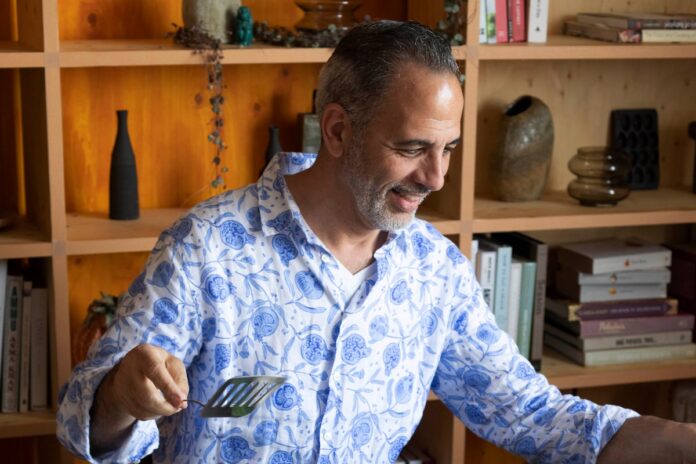

British-Israeli chef Yotam Ottolenghi, known for his best-selling cookbooks and unique culinary style, has recently shared his views on diet trends, the weight-loss drug Ozempic, and the role food can play in reconciliation. In an interview with The Globe and Mail, the chef also discussed his latest cookbook, Comfort, where he has simplified his cooking style to suit the post-pandemic era.
Yotam Ottolenghi on Creativity in Cooking
Ottolenghi, who has published thousands of recipes, compares cooking to music, with endless combinations of ingredients akin to notes and beats. He believes that even the smallest substitution or change can create an entirely new recipe. The chef also finds comfort in the recurrence of dishes from his childhood, asserting that there is always room for a fresh take on an old idea.
Diet Trends and Intermittent Fasting
When asked about the current conversation around food restriction and optimization, Ottolenghi shared his experience with intermittent fasting. He found that breaking his routine of eating regular meals led to unnecessary confusion and questions around eating habits. The chef advocates for listening more to oneself instead of following external dietary regimes, as he believes that each individual has their own unique rhythm and needs.
Weight-Loss Drugs and their Impact on Food Culture
On the subject of weight-loss drugs such as Ozempic, Ottolenghi believes that they are symptomatic of our unhealthy relationship with food. He points to our increasingly busy lifestyles, which result in rushed meals and less cooking, leading to a loss of knowledge about ingredients and how to cook. He doesn’t see these drugs as a solution, but rather another manifestation of the problem.
Food as a Tool for Reconciliation
Ottolenghi believes that food can be an effective tool for reconciliation, particularly in the context of the Middle East. Despite the ongoing Israeli-Palestinian conflict, he has collaborated with Palestinian chef Sami Tamimi on a cookbook, Jerusalem, that explores the shared culinary traditions of different communities in the region. He asserts that food is borderless, and while cultural appropriation can be an issue, cooking together and sharing recipes can be a starting point for reconciliation.
Speaking Out About the Gaza Crisis
During the interview, Ottolenghi also addressed the man-made hunger crisis in Gaza. He shared his feelings of conflict and pain about the situation, and the importance of speaking out about these issues. He believes that acknowledging the pain and issues on both sides is a crucial step towards reconciliation.
