

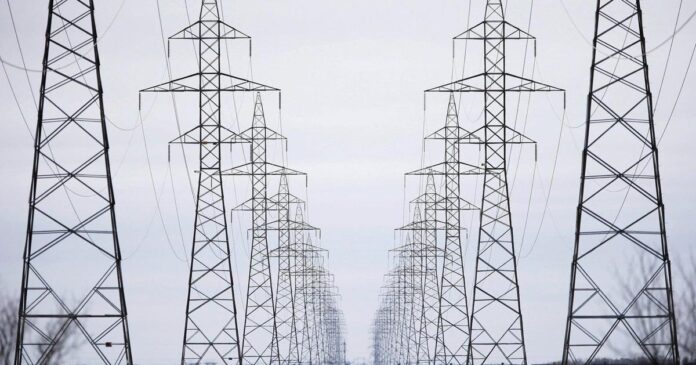

The ongoing water crisis strikes again, marking the third straight dry year, which spells a projected loss for Crown-owned Manitoba Hydro. As the world grapples with the harsh reality of climate change, the impacts are becoming increasingly evident in various sectors, including energy production. In this context, we delve into the situation in Manitoba, Canada, and explore the effects of this prolonged drought on the province’s hydroelectric power generation.
Understanding the Hydroelectric Power Generation
Hydroelectric power generation is a form of energy production that harnesses the force of falling or flowing water to produce electricity. It is a critical source of renewable energy, with several countries, including Canada, depending heavily on it. Manitoba Hydro, a Crown Corporation and the major energy utility in the province of Manitoba, is one of the largest energy utilities in Canada, providing electricity and natural gas to its customers.
The Impact of the Drought
The drought’s impact on hydroelectric power generation cannot be underestimated. The volume of water in rivers and dams is directly proportional to the amount of energy that can be produced. It’s simple physics—less water means less power. As Manitoba faces its third year of dry conditions, the situation is becoming increasingly dire. The reduced water levels in rivers and dams are causing a significant drop in the production of hydroelectric power.
Projected Loss for Manitoba Hydro
With the ongoing drought, Manitoba Hydro is bracing for a significant loss. The water crisis has directly affected its ability to produce electricity, and as a result, the company’s revenues are expected to take a hit. While the exact numbers are yet to be disclosed, the projected loss clearly indicates the severity of the situation.
Addressing the Crisis
The current situation is a wake-up call for Manitoba Hydro and other similar entities worldwide. While the immediate focus is on managing the crisis and minimizing losses, long-term strategies need to be developed to build resilience. This includes exploring alternative sources of energy, improving water management strategies, and investing in technologies to increase efficiency in hydroelectric power production.
Conclusion
The third straight dry year and the projected loss at Crown-owned Manitoba Hydro underscore the pressing need for climate action. The situation is a stark reminder of how interconnected our ecosystems are and how a change in one aspect can have far-reaching impacts. As we move forward, the focus must be on creating sustainable and resilient energy systems that can withstand the challenges posed by climate change.
