

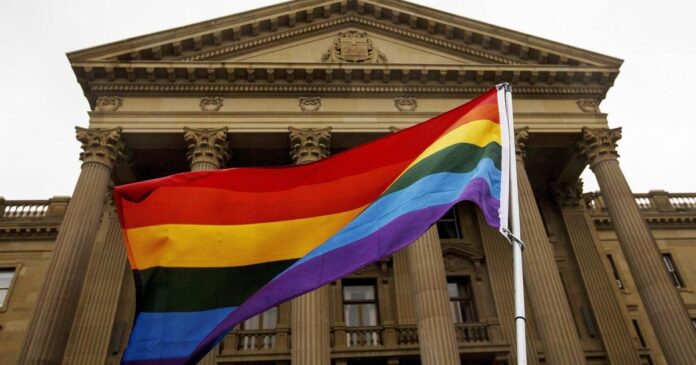

Recently, a significant legal event took place in Alberta, Canada, when a court lifted an injunction on a controversial trans law. This happened after Alberta invoked the notwithstanding clause, a powerful legislative tool that allows a province to override certain sections of the Canadian Charter of Rights and Freedoms. This move has sparked conversation and debate about the law, the rights it impacts, and the use of the notwithstanding clause.
The Injunction, the Trans Law, and the Notwithstanding Clause
The trans law in question is known as Bill 8, which amends the Education Act in Alberta. It contains provisions that have been criticized for potentially undermining the rights and protections of LGBTQ+ students, particularly trans and gender-diverse youth. The injunction, which was lifted by the court, had previously put a pause on the enforcement of these controversial aspects of the law. However, the Alberta government’s use of the notwithstanding clause has effectively bypassed this judicial check, allowing the law to be enforced as is.
Understanding the Notwithstanding Clause
The notwithstanding clause, formally known as Section 33 of the Canadian Charter of Rights and Freedoms, gives provinces the ability to temporarily override certain rights and freedoms outlined in the Charter. It’s a controversial legislative tool that has been used sparingly since the Charter was enacted in 1982. The use of the clause in this context has reignited debates about its place in Canadian democracy and its implications for human rights.
Implications and Responses
The lifting of the injunction and the enforcement of Bill 8 have provoked diverse responses. Advocates for LGBTQ+ rights have expressed concern that the law could lead to harmful outcomes for trans and gender-diverse students, including discrimination and loss of support networks. On the other hand, proponents of the law argue that it respects parental rights and the autonomy of individual schools. The use of the notwithstanding clause in this context has added another layer to these debates, raising questions about the balance between provincial autonomy and the protection of individual rights.
Looking Forward
The situation in Alberta highlights the ongoing debates about trans rights, education policy, and the use of the notwithstanding clause in Canada. As the implications of this law continue to unfold, it will be crucial to keep these conversations going, ensuring that they are informed by respect, understanding, and a commitment to the rights and well-being of all individuals.
