

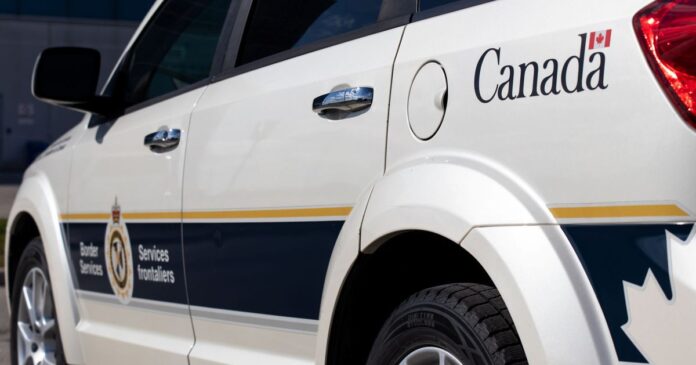

Canada is preparing to make significant changes to its border crossing procedures. The long-standing Remote Area Border Crossing Program (RABC), which facilitated easy access into Canada through specified remote areas along the U.S border, is set to end in 2026. This program, which has been in operation for decades, will be replaced with a new system of designated telephone reporting sites.
End of the Remote Area Border Crossing Program
The Canada Border Services Agency (CBSA) has announced that the RABC program will officially come to an end on September 14, 2026. Until this date, travelers holding an RABC permit can continue to enter Canada through remote areas with minimal processing. However, from September 14 onwards, all travelers entering from remote areas in northern Ontario or from the Northwest Angle into southern Manitoba will have to report to a CBSA port of entry or a designated telephone reporting site.
On average, there have been around 11,000 RABC members each year, with approximately 90% being American citizens. The CBSA has extended the validity of all existing RABC permits until 11:59 p.m. on September 13, 2026.
Introduction of Telephone Reporting Sites
As a replacement for the RABC, CBSA will be introducing telephone reporting sites in the areas formerly governed by the RABC program. These areas include the Northwest Angle Area, Pigeon River through to and including Lake of the Woods, the Canadian shore of Lake Superior, Sault Ste. Marie (upper lock system), and Cockburn Island.
“Replacing the RABC Program with telephone reporting builds on processes already in place across Canada, where travelers are required to report to the CBSA from designated sites every time they enter Canada,” stated the CBSA. “This process ensures a consistent level of security and expectations of compliance for everyone.”
Aligning with U.S. Customs and Border Protection Procedures
The CBSA further added that the new measure closely resembles the procedures that Canadian residents follow when reporting to the U.S. Customs and Border Protection from remote areas. This change will make the process more consistent and efficient for travelers crossing the border in both directions.
Upcoming Decisions on the New Telephone Reporting Sites
Decisions regarding the specific locations of the new telephone reporting sites will be made in consultation with Indigenous communities, local businesses, and law enforcement partners. More details about these changes and the new reporting process can be found in the official CBSA announcement.
The upcoming changes to the border crossing procedures are a significant development in the travel landscape between the U.S. and Canada. It will be interesting to see how these changes will affect the travel experiences of those using these remote areas to cross the border.
