


Protein has gone mainstream. But how much do you actually need? And what does it actually do for your body? Amid a plethora of protein-infused snacks and drinks, it’s crucial to cut through the marketing hype and understand the essential role protein plays in our bodies, its sources, and how much we should consume. Let’s dive deeper into the subject and debunk some common myths.
Understanding Protein and Its Role
Protein is a macronutrient, just like fat and carbohydrates, but its primary role is to build and repair body tissues rather than provide energy. As Stuart Phillips, a renowned protein scientist and professor in kinesiology at McMaster University in Hamilton, explains, “Protein makes up everything in your body, except for bone.” It’s composed of amino acids, often referred to as the building blocks of life, and is found in every cell and tissue in our body.
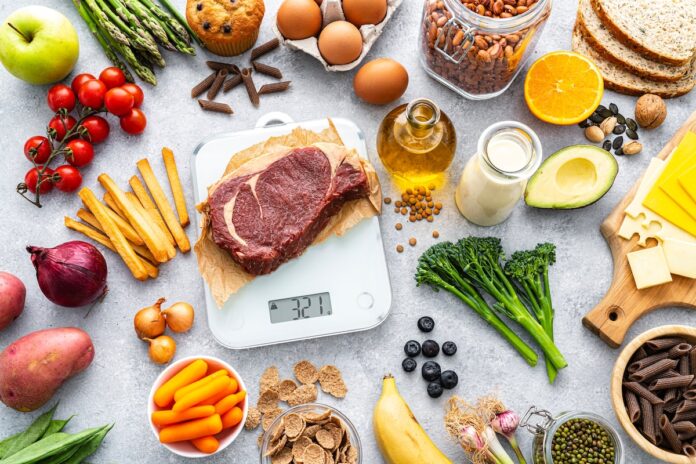
Protein is not exclusive to meat; it’s also found in plant-based sources like beans and lentils. Canada’s Food Guide recommends consuming a variety of protein sources for a balanced intake of other essential nutrients such as vitamin B12, iron, fibre, and calcium.
The Health Benefits of Protein
Protein plays a crucial role in maintaining and building muscle mass, healing wounds, and boosting our immune system. These benefits are especially significant as we age and face the risk of muscle loss, a condition known as sarcopenia. High-protein diets may also aid in fat loss, primarily because protein-rich foods help keep us feeling full, according to a paper from the Journal of Obesity and Metabolic Syndrome.
How Much Protein Do We Need?
While there’s ongoing debate about the optimal daily protein intake, Health Canada recommends about 0.8g of protein per kilogram of body weight. However, Professor Phillips argues for a slightly higher intake, around 1.2g per kilogram of body weight, for healthy aging, appetite regulation, weight management, and athletic performance. It’s worth noting that consuming excessively high amounts of protein – often promoted by bodybuilders and influencers – offers no additional benefits and can be overkill.
Choosing Your Protein Sources
Getting your protein from whole foods is both possible and advisable. For instance, two eggs offer 12-14g of protein, and 100g of chicken breast contains about 31g. Protein powders can supplement your diet if you’re struggling to meet your daily goals or if you’re engaged in high-level sports or weight lifting. However, when considering protein-infused snacks, it’s essential to evaluate their overall nutritional profile, including caloric, sugar, and fat content.
The Safety of Protein Powders
Despite concerns about lead content in some protein powders, as highlighted in a Consumer Reports investigation, Sonia Parmar, vice-president of government relations and regulatory affairs at the Canadian Health Food Association, assures that “protein powders are safe to consume.” She explains that Health Canada has set limits based on real-world conditions and extensive research. Contrary to popular belief, a high-protein diet is not harmful to your kidneys, and the benefits of adequate protein intake are well-documented.
Decoding the world of protein can be complex, but understanding its role in our bodies, sources, and recommended intake can help us make informed dietary choices. Remember, it’s not about consuming protein in excess, but ensuring a balanced and varied intake for overall health.
