

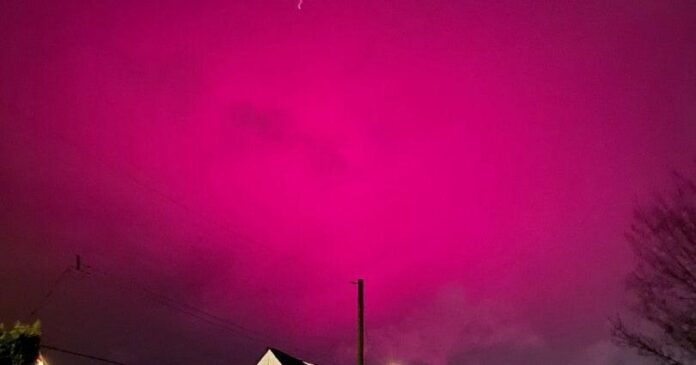

On the frosty, blackened canvas of winter nights, a remarkable spectacle unfolds in the sky over Delta, B.C. A mysterious purple haze sets off awe, curiosity, and questions. The phenomenon, occurring when cloud cover is just right, creates a mesmerizing display that has become a talking point for many residents of Metro Vancouver.
Understanding the Purple Haze Phenomenon
The peculiar purple haze in the sky is not a result of some extraterrestrial activity, nor is it a yuletide display. Instead, it is a byproduct of human activity – specifically, agricultural practices. The awe-inspiring luminescence is attributed to the extensive use of LED lights in greenhouses growing tomatoes, peppers, and other crops in the region. These high-efficiency lights emit a purple light that is a combination of red and blue, the two colors most conducive to plant growth. When conditions are right, this light reflects off low-lying clouds, bathing the night sky in a captivating purple hue.source
The Impact on Metro Vancouver’s Nightscape
The purple haze has become a distinctive feature of Metro Vancouver’s winter nightscape, creating a surreal and dreamlike atmosphere. While the phenomenon has sparked curiosity and wonder among many, it has also raised concerns about light pollution. The International Dark-Sky Association (IDA), an organization dedicated to fighting light pollution, has voiced concerns about the impact of such intense artificial light on wildlife and human health.source
The Response from Greenhouse Operators
Greenhouse operators in the region have been responsive to the concerns raised. Many have installed blackout curtains that are required to be closed during the night to prevent the escape of light. The B.C. Ministry of Agriculture has also provided guidelines to greenhouse operators to manage light pollution.source
Conclusion
While the purple haze over Delta, B.C. has been the source of awe and curiosity, it serves as a reminder of the impact that human activity can have on the environment. As we marvel at the ethereal beauty of this phenomenon, it is also crucial to strike a balance between agricultural advancement and the preservation of our natural nightscape.
