

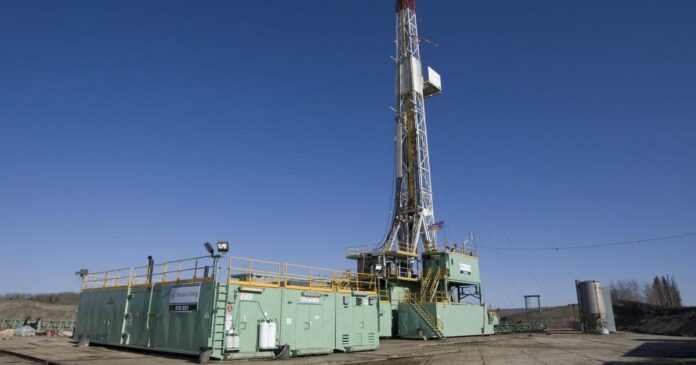

The academic whose report led to a decade-long fracking ban in Nova Scotia is now casting doubts on the provincial government’s assertion that new natural gas development will result in reduced emissions and lower energy costs. As former university president and environmental expert, his skepticism brings a new perspective to the discussion and highlights the complexities of balancing economic development with environmental sustainability.
The Role of the Former University President
As the former president of a notable university and a respected figure in academia, this individual was instrumental in overseeing the report that led to the fracking ban in Nova Scotia in the first place. His deep understanding of environmental science, combined with his leadership in academic research, made him uniquely positioned to contribute to this significant policy decision.
Challenging the Government’s Claims
The former president is now challenging the government’s claims about the benefits of new natural gas development. According to the government, these developments are predicted to lower emissions and energy prices. However, the former president questions the basis of these assertions, expressing doubts about the viability of these projections.
The Environmental Impact
One of the main concerns raised by the former president is the environmental impact of new natural gas developments. While the government maintains that these projects will lower emissions, the former president underscores the potential ecological risks associated with such developments. He points out that the methods used for extracting natural gas, including fracking, can have significant environmental repercussions, potentially negating the anticipated reductions in emissions.
The Economic Impact
In addition to environmental concerns, the former president also questions the economic benefits touted by the government. While lower energy prices are an attractive prospect, he queries whether the development of new natural gas resources will indeed lead to such outcomes. Given the volatile nature of energy markets and the substantial costs associated with developing new resources, he suggests that the economic benefits may not be as substantial as proposed.
Conclusion
In conclusion, the former university president’s skepticism about the government’s claims regarding new natural gas development underlines the need for a thorough and balanced assessment of such projects. Balancing economic growth with environmental sustainability is a complex task that requires careful consideration and informed decision-making. As the debate continues, it is clear that the insights of experienced and authoritative figures like the former university president are invaluable in shaping a sustainable future.
