

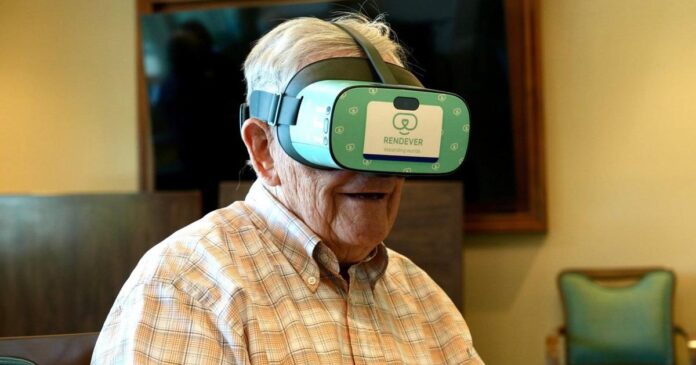

As technology continues to evolve, it opens up new possibilities for connectivity and communication. One such breakthrough is the use of virtual reality (VR). “Virtual reality opens doors for older people to build closer connections in real life.” VR has the potential to bridge the gap between physical distance, enabling older adults to stay engaged and maintain a strong bond with their loved ones, irrespective of geographical boundaries. It’s a revolution in the making, connecting the world in ways we’ve never seen before.
Virtual Reality: A New Frontier in Connectivity
Virtual reality uses computer technology to create a simulated environment, allowing users to experience a different reality from their physical surroundings. It’s a technological marvel that has found applications in various fields such as gaming, education, healthcare, and more. For older adults, VR offers a unique opportunity to stay connected and engaged with their friends, family, and the world around them.
Breaking the Barriers of Distance
One of the primary benefits of VR is its ability to break geographical barriers. Older adults, who may be unable to travel due to health issues or other constraints, can use VR to visit new places, attend family gatherings, or engage in social activities, all from the comfort of their homes.
Building Closer Connections
Virtual reality offers a more immersive and engaging experience compared to traditional forms of communication like phone calls or video chats. It allows users to share experiences, engage in activities together, and create memories, thereby building closer connections. For older adults, this can lead to improved emotional well-being and a better quality of life.
Facilitating Physical and Mental Exercise
VR is not just about connectivity; it also offers opportunities for physical and mental exercise. Various VR applications promote movement, coordination, and cognitive thinking, helping older adults stay physically and mentally fit.
Challenges and Future Prospects
While the potential benefits of VR are immense, there are also challenges to consider. Accessibility and usability issues, the cost of VR equipment, and the need for proper training and support can pose hurdles. However, with continuous advancements in technology, these challenges are gradually being addressed. The future of VR looks promising, and it’s exciting to imagine how it will further enhance the lives of older adults in the years to come.
Conclusion
Virtual reality is revolutionizing the way we connect and communicate. It has the potential to significantly improve the quality of life for older adults, enabling them to build closer connections and stay engaged with the world around them. As we continue to explore and innovate, VR opens up a world of possibilities for creating a more connected and inclusive society.
