
The High-Voltage Quest to Fix the Errant Mind: A Deep Dive into Advanced Mental Health Treatments
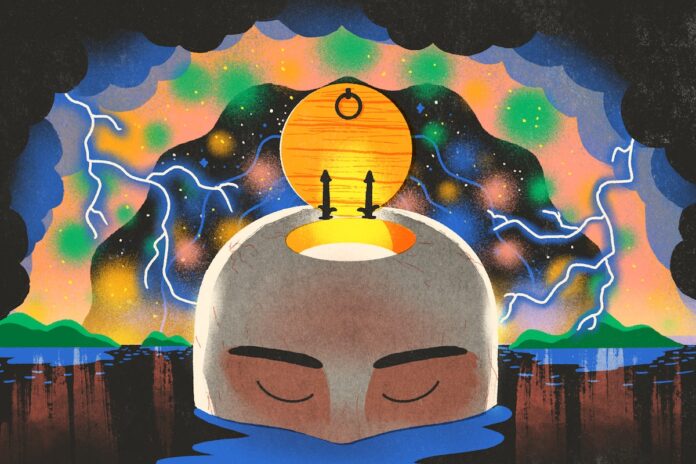
Major depressive disorder affects more than 280 million people worldwide and represents a leading cause of disability. Despite advancements in psychiatric drugs and psychotherapies, nearly 30 per cent of patients fail to respond to multiple trials of drugs and psychotherapy, suffering from treatment-resistant depression and schizophrenia. In the high-voltage quest to fix the errant mind, psychiatrists, neurosurgeons, and other professionals are exploring alternative treatment avenues. This article, penned by the accomplished psychiatrist, academic, and author, Thomas R. Verny, delves into the world of advanced mental health treatments, from anesthetics like ketamine to electrical brain stimulation therapies.
Ketamine: A Rising Star in Mental Health Treatment
Ketamine, introduced as an anesthetic in the 1970s in Canada and the U.S., has seen a surge of interest in recent years for its potential in treating treatment-resistant depression and other mental health conditions. Clinics offering ketamine treatments have been expanding rapidly across both countries, with organizations like Canada’s Ketamine Clinic and Provider Directory (KATA) and the American Society of Ketamine for Physicians, Psychotherapists & Practitioners (ASKP3) ensuring safe and ethical practices.
Ketamine can be administered intravenously, intranasally (esketamine), or orally. Multiple randomized controlled trials and observational studies have confirmed the rapid antidepressant and anti-suicidal effects of all forms of ketamine, with adverse events generally being mild and transient. In a study from the University Health Network, Toronto, depression and suicidality scores significantly decreased after an acute course of ketamine infusions, suggesting potential for long-term clinical utility of maintenance ketamine infusions.
Psilocybin: A Potential Game-changer
Another promising avenue in mental health treatment is psilocybin, a naturally occurring psychedelic compound. A recent systematic review of 16 clinical trials showed promise in using psychedelics such as psilocybin, LSD, ibogaine, and ayahuasca to treat addictions, particularly in reducing alcohol and tobacco dependence. However, the successful transition of psilocybin from research to clinical practice demands robust evidence on efficacy, safety, and methodological rigour, as well as addressing legal and ethical issues.
Electroconvulsive Therapy: An Old, Yet Effective Approach
Electroconvulsive therapy (ECT), first introduced in 1939 in Italy, has been a long-standing treatment method for severe depression and schizophrenia. Despite its controversial history, ECT today is considered one of the most effective therapies for treatment-resistant depression, with a high response/remission rate in 60 to 80 per cent of severely depressed patients. ECT has also been associated with lower suicide/mortality rates. However, its use has been hampered by concerns over memory side effects, though improved ECT techniques and clear guidelines have reduced the risk and severity of these side effects.
Electrical Brain Stimulation: The Future of Depression Treatment?
Electrical brain stimulation (EBS) therapies represent a new frontier in mental health treatment. These non-invasive methods, which include transcranial direct current stimulation (tDCS), transcranial alternating current stimulation (tACS), transcranial random noise stimulation (tRNS), transcranial magnetic stimulation (TMS), and repetitive transcranial magnetic stimulation (rTMS), entail the application of electrical current directly to the brain. rTMS, also referred to as magnetic seizure therapy (MST), has been approved for adults with depression in several parts of the world and has shown significant reduction in depressive symptoms with fewer cognitive side effects than ECT.
Home-based tDCS, which requires only a flexible cap or band with electrodes worn over the forehead, is another promising method. Evidence suggests that tDCS can be safely administered under remote medical supervision in the home, providing a feasible option for patients who face adherence and logistical challenges with other EBS therapies.
Invasive Methods: A Last Resort?
In contrast to the non-invasive methods, invasive EBS methods such as direct cortical stimulation (DCS), deep brain stimulation (DBS), and microstimulation require surgical intervention. These methods, particularly DBS, have shown positive overall effects in treating treatment-resistant depression. However, the procedure carries certain risks, including infection, bleeding, hardware problems, and potential neuropsychiatric effects. Therefore, invasive methods are typically considered when other treatment options have been exhausted.
While these advanced treatments hold promise, it’s crucial to remember that we are all unique, and a treatment method that works for one person may not work for another. Therefore, patients should always discuss the risks and benefits of different treatment options with their healthcare provider before making a decision.
