

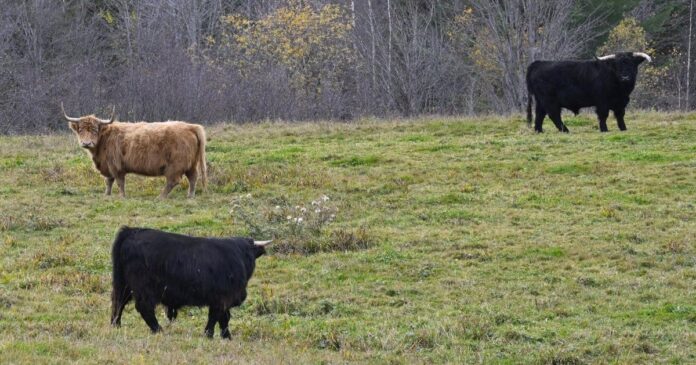

In the heart of Halifax, innovative farming strategies are taking root, reshaping the rural landscape and the industry’s environmental impact. One such example is Nick Green, a local cattle farmer who’s been making waves with his unique approach to managing his land. He uses a traditional barter system to secure grazing space for his cattle. Meanwhile, researchers in P.E.I. are studying how cow manure can strengthen soil and reduce greenhouse gas emissions, demonstrating the potential for sustainable farming practices to transform the industry.
Bartering for Grazing Space: A Timeless Practice
Green, like many other farmers, utilizes a system of trade and barter to ensure his cattle have sufficient land to graze. This system, while ancient in origin, has proven efficient and sustainable in modern farming. Through trade, Green is able to access and utilize neighboring lands, reducing the need for deforestation while ensuring his cattle receive ample nutrition.
Turning Waste into Wealth: The Power of Manure
While Green focuses on land management, on the other side of the country, P.E.I. researchers are looking at a different aspect of cattle farming: manure. They are exploring how cow poop can be used to strengthen soil, thereby enhancing its productivity and reducing carbon emissions. Manure is a rich source of organic matter and nutrients, which can improve the physical and biological properties of soil.
Potential to Curb Climate Change
According to the Food and Agriculture Organization of the United Nations, cattle farming is responsible for nearly 10% of global greenhouse gas emissions. By using manure as a soil enhancer, farmers can not only improve their land’s productivity but also contribute to mitigating climate change. The organic matter in manure can help sequester carbon in the soil, reducing the amount released into the atmosphere.
Innovation in Farming: A New Era of Sustainability
The efforts of Green and the P.E.I. researchers exemplify the innovative spirit of modern farming. By embracing traditional practices like bartering and turning waste into wealth, they are paving the way for a more sustainable and environmentally-friendly agricultural industry. As these pioneers demonstrate, the future of farming lies not only in technological advancements but also in the wisdom of time-tested practices.
