

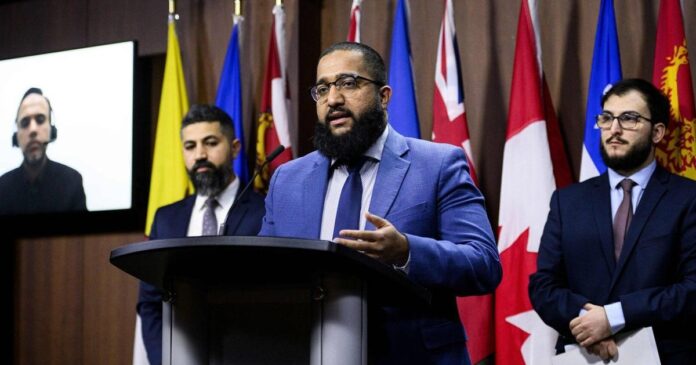

Organizers of West Bank delegation blocked by Israel call for steeper sanctions. This incident has sparked a wave of reactions from various countries and organizations around the world. While some support the move, others see it as an infringement on democratic rights. Amidst the controversy, the key question remains: How will these sanctions impact the already tense relations between different factions in the region?
Understanding the West Bank Delegation
The West Bank delegation, composed of international activists and diplomats, aimed to highlight the plight of the Palestinian people under Israeli occupation. The group planned to meet with Palestinian leaders, visit refugee camps, and document human rights violations. However, their mission was abruptly halted when Israel denied them entry, citing security concerns.
Response to the Blockade
Israel’s decision to block the delegation has triggered international backlash. The organizers have called for steeper sanctions against Israel, arguing that it is a necessary measure to force Israel to respect international law. They believe that these sanctions can pressure Israel into lifting the blockade and allowing the delegation to carry out its mission.
The Impact of Sanctions
Sanctions are a common tool in international relations, used to exert pressure on countries to comply with international norms and laws. However, their effectiveness is often debated. While some argue that they can lead to policy changes, others point out that they often harm the very people they are designed to protect. In the case of Israel, it remains to be seen how the call for steeper sanctions will play out.
A Global Debate
The incident has sparked a global debate about the role of sanctions in international politics, the right to protest, and the ongoing conflict in the Middle East. Countries around the world have taken various stances, reflecting their geopolitical interests and ideological leanings. For instance, the United States of America and Canada have traditionally been allies of Israel, while countries like Iran and Cuba have often opposed Israeli policies.
The Road Ahead
As the situation unfolds, the world will be watching closely. The outcome could have far-reaching implications for the future of the Israeli-Palestinian conflict, the role of international activism, and the effectiveness of sanctions as a political tool. Regardless of the outcome, one thing is certain: This incident has once again brought the Israeli-Palestinian conflict into the global spotlight, highlighting the urgent need for a peaceful and just resolution.
