

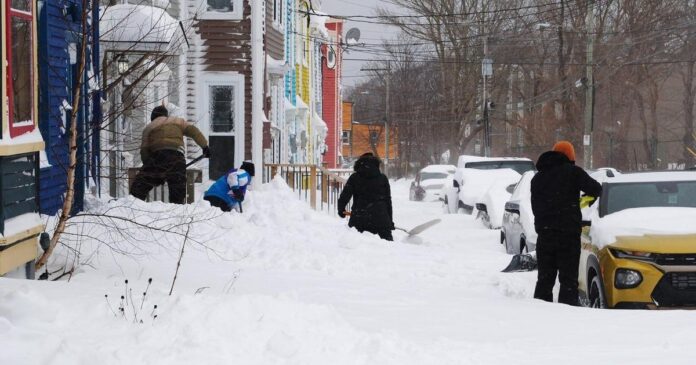

The weather patterns in North America have been particularly erratic in recent times, with the Maritimes bracing for a bout of freezing rain, while Newfoundland and Labrador are occupied with digging out from their recent snowfall. The fluctuating weather conditions have been a cause for concern, as they have disrupted everyday life and posed challenges for the residents of these areas.
Freezing Rain on the Way for Maritimes
The Maritimes, which include the provinces of New Brunswick, Nova Scotia, and Prince Edward Island, are bracing for freezing rain. This weather phenomenon occurs when rain falls onto a surface with a temperature below freezing, causing the rain to freeze upon impact. Such conditions can make driving and walking extremely hazardous, leading to increased accidents and injuries. Residents have been advised to stay indoors, if possible, and to exercise extreme caution if they need to travel.
Newfoundland and Labrador Digs Out
Meanwhile, in Newfoundland and Labrador, residents are engaged in a massive clean-up operation after being hit by heavy snowfall. The snow has disrupted normal life, closing schools, offices, and halting public transportation. The Canadian Armed Forces have been called in to help with the efforts, providing equipment and personnel to assist with the snow removal. The residents, while used to dealing with harsh winters, have noted that this particular snowfall has been one of the most severe in recent memory.
Unpredictable Weather Patterns
These contrasting weather conditions in close geographic proximity highlight the unpredictable nature of weather patterns. Scientists attribute these erratic patterns to climate change, pointing out that as global temperatures rise, weather systems become more unstable, leading to sudden and severe changes in weather. This serves as a stark reminder of the urgent need to address climate change to prevent further disruption to our lives and economies.
The Importance of Preparedness
In light of these severe weather conditions, the importance of being prepared cannot be overstated. Emergency services advise residents to have a plan in place, including having necessary supplies such as food, water, and medical supplies. Additionally, people are urged to stay informed about the latest weather updates and to follow the advice of local authorities.
In conclusion, while these weather conditions pose significant challenges, the resilience of the residents and the efforts of the emergency services are commendable. As we continue to grapple with the impacts of climate change, it is more important than ever to stay informed, be prepared, and take collective action to mitigate its effects.
