

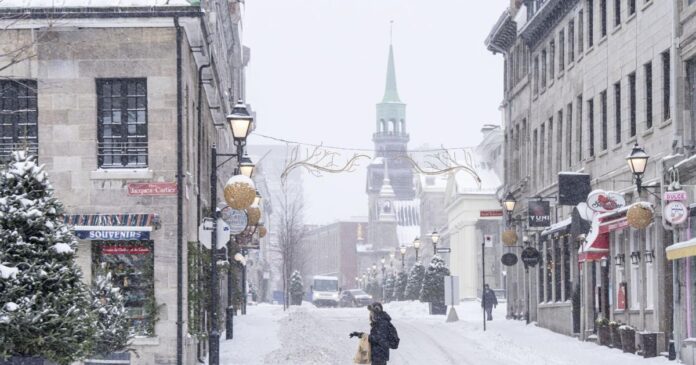

As Eastern Canada gets its first taste of wintry weather, Montreal is experiencing a sharp rise in 911 calls. The slippery roads and icy conditions have led to a surge in accidents and related emergencies. This has put a significant strain on emergency services, highlighting the importance of being prepared for the changing seasons. But this is not a situation unique to Montreal or even Canada alone. This is a pattern observed in various countries across the globe as they transition into their respective winter seasons.
Winter Weather and Emergency Calls: A Global Concern
From the United States of America to the United Kingdom, and from Australia to Japan, the beginning of the winter season often brings a spike in emergency calls. In the United States, states like Alabama, Alaska, and Colorado, known for their harsh winters, often report a sharp increase in 911 calls. Similarly, in Canada, provinces like Alberta and British Columbia witness a similar trend.
According to a report by the Canadian Institute for Health Information (CIHI), emergency department visits due to falls on the ice almost triple in December, January, and February in Canada. The data shows that seniors are particularly vulnerable to such falls.
Risks and Challenges
The rise in emergency calls during winters poses several challenges. The most immediate concern is the increased pressure on emergency services. With more calls coming in, the response times may be affected, potentially putting lives at risk. This is especially true in regions with less population density, such as Wyoming in the USA or Yukon Territory in Canada, where emergency services coverage may not be as extensive.
Frostbite and hypothermia are also significant concerns. In countries like Russia and Finland, where temperatures can drop to extreme lows, these conditions are a significant risk. The World Health Organization (WHO) states that prolonged exposure to cold can lead to severe health problems and even death, especially in individuals with pre-existing health conditions.
Preparation and Safety Measures
Preparation is key in dealing with winter weather. This includes having emergency kits in homes and vehicles, keeping abreast of weather updates, and being aware of the signs of frostbite and hypothermia. Governments and local authorities often run campaigns to raise awareness about these safety measures. For example, in the UK, the National Health Service (NHS) runs a ‘Stay Well This Winter’ campaign offering advice on how to deal with common winter illnesses and hazards.
Ultimately, the spike in emergency calls during winter is a stark reminder of the challenges posed by this season. However, with adequate preparation and awareness, it is possible to stay safe and navigate through the cold months successfully.
