

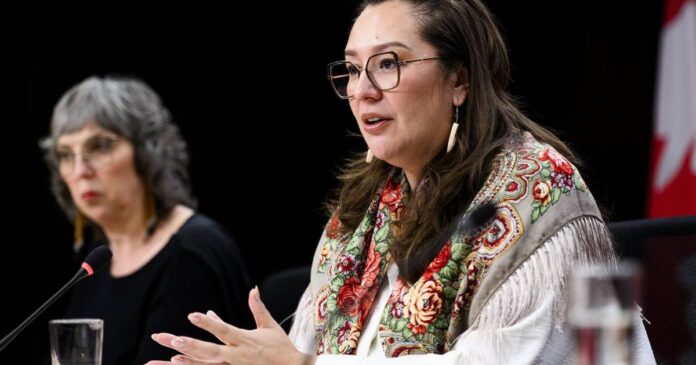

The federal minister in charge of Indigenous services is under pressure from various quarters to eliminate boil-water advisories in First Nations communities. However, the minister is not promising source water protection in the new First Nations clean water bill. This has raised concerns among Indigenous leaders and advocacy groups.
Pressures to Eliminate Boil-Water Advisories
Boil-water advisories have been a persistent problem in many First Nations communities. These advisories are issued when the water supply is or could be contaminated with bacteria, viruses, or parasites. This contamination can pose serious health risks to community members, particularly the elderly, infants, and those with weakened immune systems. The federal government has been under increasing pressure to ensure that First Nations communities have access to clean, safe drinking water.
Previous Clean Water Bill
The previous clean water bill, which sought to improve water quality in First Nations communities, has been defunct. The bill contained provisions for source water protection, which is a crucial aspect of ensuring clean water. Source water protection involves protecting the sources of drinking water — such as rivers, lakes, and groundwater — from contamination. However, the minister responsible for Indigenous services has not committed to reinstating these protections in the new bill.
Concerns from Indigenous Leaders and Advocacy Groups
The lack of commitment to source water protection in the new clean water bill has raised concerns among Indigenous leaders and advocacy groups. They argue that without adequate source water protection, First Nations communities will continue to face problems with water quality. They are calling on the federal government to include robust source water protection measures in the new bill.
The Government’s Stance
The federal government contends that it is committed to ensuring that First Nations communities have access to clean, safe drinking water. However, it has not provided specific details about what the new clean water bill will include, leading to uncertainty and concern among Indigenous communities.
The Way Forward
It’s evident that the issue of clean water in First Nations communities needs urgent attention. The federal government must work closely with Indigenous leaders and advocacy groups to develop a comprehensive clean water bill that includes robust source water protection measures. This will help to ensure that all First Nations communities have access to clean, safe drinking water — a fundamental human right.
