

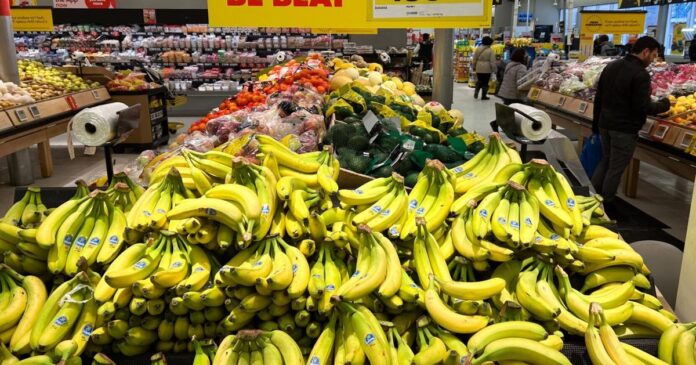

Why do grocery stores sell some fruit by the pound, and others by the piece? This question has puzzled many shoppers who have noticed the pricing discrepancy between various items in the produce section. While avocados and English cucumbers are priced individually, fruits like oranges, apples, and bananas are typically sold by weight. What factors contribute to this distinction, and why does it exist? To understand this, we need to delve into the underlying economics, industry practices, and consumer behavior.
The Economics of Pricing Produce
From an economic standpoint, the pricing strategy employed by grocery stores is largely dictated by the cost structures associated with different types of produce. Different fruits and vegetables incur different costs related to growing, harvesting, transporting, and storing. These costs then influence how they are priced.
For instance, avocados and English cucumbers require more resources to grow and are more susceptible to damage during transportation due to their delicate nature. To cover these costs, retailers often price these items per piece. On the other hand, fruits like oranges, apples, and bananas are more durable and cheaper to produce, which allows retailers to price these items by weight.
Industry Practices and Consumer Behavior
Industry practices and consumer behavior also play a crucial role in determining the pricing strategy for different fruits and vegetables. Retailers often adopt the pricing methods that are most commonly used in the industry. For example, avocados and English cucumbers have traditionally been priced per piece in many markets, and this practice has continued over time.
Consumer behavior is another important factor. Shoppers often prefer to buy certain items, like avocados or cucumbers, in smaller quantities due to their shorter shelf life. This makes per-piece pricing more appealing and practical for these items. Conversely, fruits like oranges, apples, and bananas are typically consumed in larger quantities, making per-pound pricing a more suitable option.
Understanding the Pricing of Produce
In conclusion, the pricing of fruits and vegetables in grocery stores is influenced by a combination of factors, including the cost structures associated with different types of produce, industry practices, and consumer behavior. While this may result in some fruits and vegetables being priced per piece and others by weight, these strategies are designed to ensure that the pricing reflects the costs incurred by the retailer and meets the preferences of the consumers.
So, the next time you’re shopping for groceries and wonder why you’re paying per piece for avocados, but per pound for oranges, remember that there’s a lot more that goes into pricing these items than meets the eye.
