

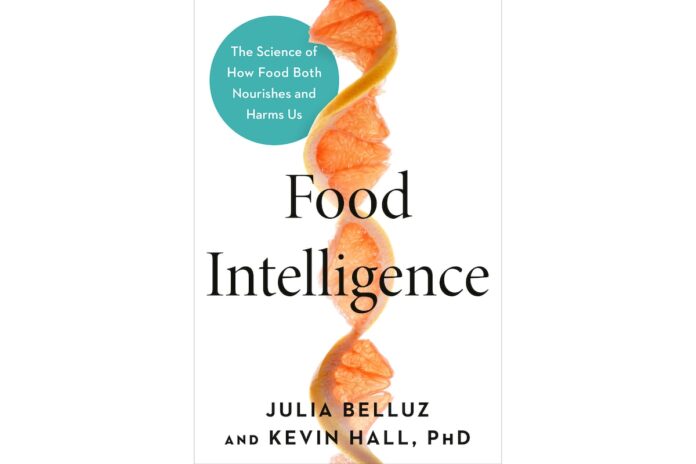

Canadian journalist Julia Belluz has some ideas about why people make bad food choices. She has dedicated her career to investigating pressing health and medical issues, often finding her work in competition with misleading social media posts. However, her collaboration with nutritionist Kevin Hall on the book “Food Intelligence: The Science of How Food Both Nourishes and Harms Us” aims to cut through the misinformation, providing an honest look at nutrition science.
Food Intelligence: A Collaborative Effort
Julia Belluz is a renowned health journalist known for her contributions to major publications such as Vox and The New York Times. Her work emphasizes a facts-based, scientific approach to wellness, fitness, and medicine. Kevin Hall, on the other hand, is a nutrition and neuroscience expert recognized for his clinical research on the links between diet, psychology, and obesity. The duo teamed up to address the lack of fundamental knowledge about nutrition science, aiming to help readers understand how food and exercise affect their bodies.
Addressing the Problem of Misinformation
One of the major challenges faced by Belluz and Hall was the rampant misinformation about nutrition and fitness on social media. They noticed that many people lacked understanding of basic nutrition concepts like metabolism, protein, fat, carbs, and vitamins. Moreover, the concept of a ‘food environment’ and its influence on eating behaviors and nutrition choices was not well-understood. “Food Intelligence” aims to fill these gaps in knowledge, providing a trustworthy and authoritative source of information on nutrition science.
The Concept of Food Environment
The term ‘food environment’ is crucial in understanding eating behaviors. It refers not only to the food around us but also to the cultural and economic factors that influence our food choices. Research, including randomized controlled trials by Hall, has shown that people exposed to ultra-processed foods tend to overeat and gain weight. Belluz and Hall argue that changes in food environments could have a more significant impact on diet-related diseases than individual dietary changes.
Making Everyday Changes
To combat the negative effects of a poor food environment, Belluz and Hall suggest making everyday changes like reducing the consumption of ultra-processed foods, especially those that are energy-dense and hyper-palatable. These foods often lead to overconsumption and are generally deficient in essential nutrients. They recommend a diet rich in fruits, vegetables, legumes, and whole grains, which has been proven over decades to be beneficial for health.
“Food Intelligence” aims to provide readers with an understanding of nutrition science, equipping them with the knowledge to make better food choices. Through their collaborative effort, Belluz and Hall hope to make a positive impact on public health and nutrition.
Conclusion
In the age of misinformation, getting accurate and reliable nutrition advice can be challenging. “Food Intelligence” by Julia Belluz and Kevin Hall stands as a beacon of scientifically sound advice in a sea of confusing and often contradictory dietary guidance. By understanding the fundamentals of nutrition science and the impact of our food environment, we can make informed decisions about our diet and health.
Editor’s note: Using artificial intelligence detection tools, The Globe determined a photo that appeared in a previous version of this article was likely altered or generated by AI. The image has been removed.
