

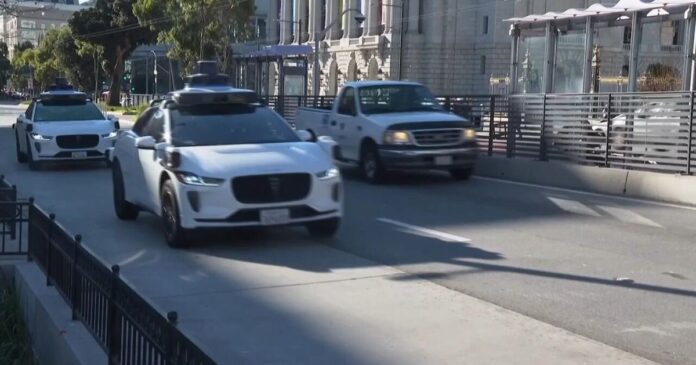

In recent years, a new wave of technology has begun to disrupt the traditional taxi industry. Self-driving robotaxis, led by companies like Waymo, are on the rise, particularly in California where the technology is being extensively tested. Not everyone is excited about this development, however. Lyft and Uber drivers protest Waymo robotaxis as California considers further regulations, highlighting the tension between human-driven and autonomous vehicles. This article will delve into this contentious issue, providing perspectives from all sides and exploring potential regulatory solutions.
Protests by Lyft and Uber Drivers
As Waymo robotaxis become more prevalent, Lyft and Uber drivers are voicing their concerns. These drivers, many of whom rely on ride-hail platforms for their livelihood, fear that the rise of autonomous vehicles will lead to job displacement. Protests have been staged in various locations across California, with drivers calling on regulatory bodies to intervene and protect their jobs.
California’s Response
As a state at the forefront of technology innovation, California is grappling with how to regulate this emerging industry. Currently, the California Public Utilities Commission (CPUC) is considering further regulations on Waymo and similar companies. These regulations could include requirements for safety, accessibility, and job protection for human drivers.
The Rise of Waymo
Waymo, a subsidiary of Alphabet Inc., has been a pioneer in the development of autonomous vehicles. The company’s fleet of self-driving cars has been operating in the Phoenix area since 2017 and expanded to California in 2018. Despite the protests, Waymo maintains that its technology will lead to safer roads and more efficient transportation.
Impact on the Ride-Hail Industry
The rise of Waymo and other autonomous vehicle companies could have a significant impact on the ride-hail industry. While these vehicles could lead to lower costs for consumers, they could also lead to job losses for drivers. Balancing these competing interests will be a key challenge for regulators.
Looking Ahead
As Waymo and other companies continue to develop and refine their technology, the debate over regulation will likely intensify. While there are legitimate concerns about job displacement, there are also potential benefits to consider, such as improved safety and efficiency. Navigating this complex issue will require thoughtful, balanced regulation that considers all stakeholders.
In conclusion, while the rise of autonomous vehicles presents exciting possibilities for the future of transportation, it also raises important questions about job security and regulation. Lyft and Uber drivers’ protests against Waymo serve as a stark reminder of the human element at the heart of this technological revolution.
