


Here is a shortened, clean version of your prompt with the same meaning:
⸻
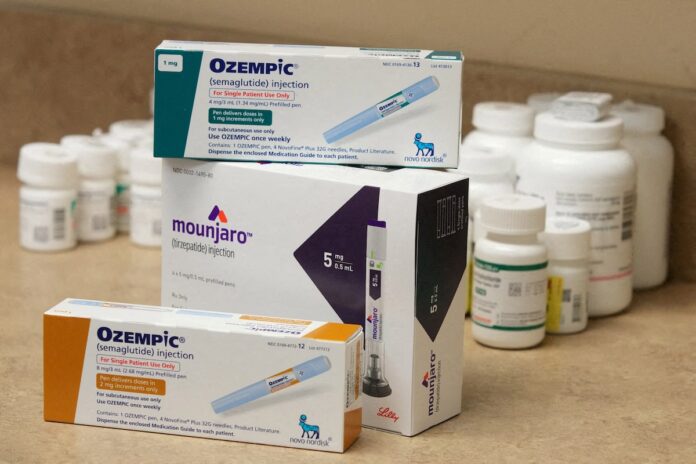
Taking weight-loss drugs could mean spending less on food, but is it worth it? A recent study suggests that people who use GLP-1 drugs such as Ozempic and Mounjaro might spend less on groceries and dining out, but the savings are unlikely to offset the cost of the medication for those paying out of pocket.
Financial Impact of GLP-1 Drugs
Ozempic and Mounjaro, semaglutide and tirzepatide injection drugs respectively, are used for treating weight loss and type 2 diabetes. A paper published in the U.S.-based Journal of Marketing Research investigated the financial impact of these GLP-1 drugs, drawing on grocery and restaurant spending data from over 22,000 households in the United States. More than 10% of these households had at least one GLP-1 user. The study found that while there were savings, these were insufficient to cover the full cost of the medication for those without insurance.
In Canada, the list price for Ozempic in 2025 was roughly $3,000 a year and Wegovy, another GLP-1 drug, was about $5,000 a year, before distribution costs. However, insurance coverage varies, and generics of Ozempic and Wegovy are expected to eventually lower costs for employers and workers.
Changes in Spending Habits
The research revealed that in the first six months after starting GLP-1 drugs, average grocery spending decreased by US$390 a year per household. The average household in the study was spending roughly US$7,400 per year on groceries, translating to a savings of just over 5%. Additionally, spending at limited-service restaurants, such as fast food and quick-service venues, saw an 8% decline.
Interestingly, the reduction in grocery spending appeared to be driven by buying fewer items overall, rather than switching to cheaper alternatives. Some categories even saw an increase in spending, including nutrition bars, fresh fruit, and yogurt. Furthermore, the study found that higher-income households (those earning over US$125,000) experienced more than twice the spending reduction compared to those earning below US$125,000.
Financial Regressivity of GLP-1 Drugs
The larger financial savings for higher-income households implies that GLP-1 drugs are financially regressive: those most likely to be able to afford the medication also see the biggest expense savings offset. However, for those who continue taking the drugs, the ongoing reduction in grocery spending and dining out could be offset by another expense – a new wardrobe, given that weight loss is a likely outcome.
Additionally, the reality that obesity is linked with lower wages, particularly for women, suggests that the use of GLP-1 drugs could potentially lead to higher earning potential. However, calculating the “return” on these drugs is complex, involving considerations such as weight and health results, food savings, wardrobe costs, and potential changes in earning power.
Concluding Thoughts
Ultimately, the study emphasizes that the decision to use GLP-1 drugs should not be based solely on financial considerations. While users may experience reduced food spending, particularly in the early stages, this saving is unlikely to be substantial enough to offset the cost of the medication. However, the recent expiration of the patent for semaglutide, a key ingredient in Ozempic and Wegovy, in Canada suggests that cheaper versions of these weight loss drugs may soon be available, potentially making them a more financially viable option for some households.
Regardless of the potential financial implications, the decision to use GLP-1 drugs should primarily be a health decision, made in consultation with a medical professional. However, it is worth noting that a potential side effect of this decision could be lower food spending.
