

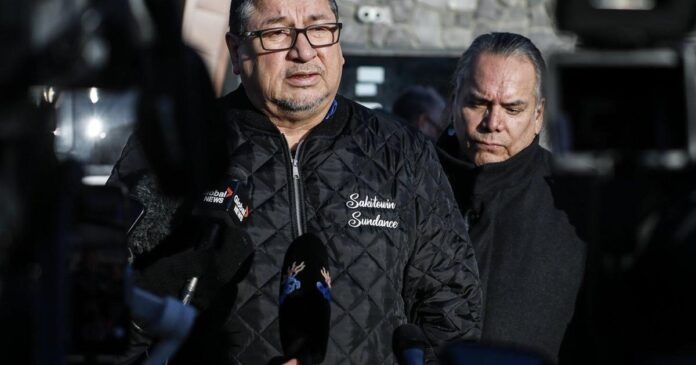

Amongst the various challenges faced by communities across North America, the issue of water scarcity has been particularly significant in the northern parts of Manitoba in Canada. The local inhabitants, predominantly First Nation communities, are dealing with severe water woes. Recently, the situation has escalated to such an extent that military forces have had to be deployed to handle the crisis. The involvement of the military in this domestic issue underscores the severity of the situation.
Water Crisis in Northern Manitoba First Nation Communities
The First Nation communities in northern Manitoba have been grappling with water crisis for quite some time now. The issue is not just one of scarcity. The quality of water available to these communities is also a significant concern. The problem has been compounded by inadequate infrastructure and lack of proper water management systems. Despite being surrounded by freshwater bodies, these communities are unable to access potable water, a basic human right.
The Role of the Military
In response to the escalating crisis, the Canadian military has been called in to provide immediate assistance. The military forces have been involved in setting up temporary water purification systems, providing bottled water, and implementing measures to improve the existing water infrastructure. Their presence has been instrumental in alleviating the immediate distress caused by the water crisis.
Long-Term Solutions Needed
While the involvement of the military provides a short-term solution to the water woes of the First Nation communities in northern Manitoba, there is an urgent need for long-term solutions. These may include upgrading the existing water infrastructure, putting in place robust water management systems, and ensuring stringent quality checks.
Importance of Collaboration
Addressing the water crisis in northern Manitoba requires collaboration between the local communities, government bodies, and non-governmental organizations. The First Nation communities need to be involved in decision-making processes concerning water management. Additionally, efforts should be made to raise awareness about water conservation and the importance of clean water.
In conclusion, the deployment of military forces to address the water crisis in northern Manitoba highlights the gravity of the situation. It underscores the urgent need for long-term, sustainable solutions to ensure that the First Nation communities have access to clean, potable water. This is a basic human right that should be available to all, irrespective of where they live.
