

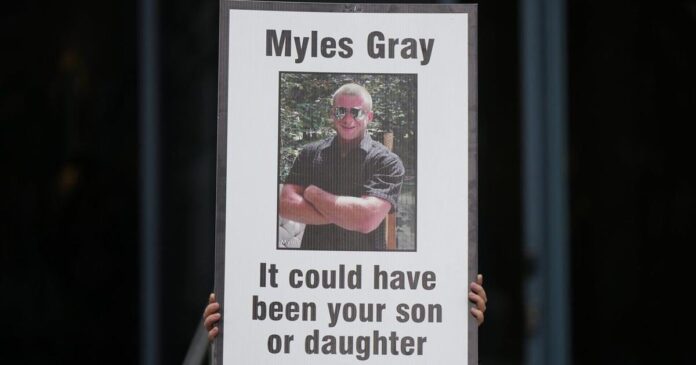

The long-awaited public hearing into the police-involved death of Myles Gray, a 33-year-old Sechelt resident who died in 2015, is set to commence next week. The Independent Investigations Office of British Columbia (IIO BC), the province’s police watchdog, has scheduled a 10-week public inquiry into Gray’s death, which occurred following an altercation with Vancouver police officers. The hearing is a significant step forward in the quest for truth and justice in Gray’s tragic demise.
Background of Myles Gray’s Case
Myles Gray died on August 13, 2015, under controversial circumstances following an encounter with Vancouver police officers. The incident began when Gray was reportedly seen spraying water on a woman during a hot summer day. Police officers responding to the incident ended up in a physical altercation with Gray, which tragically resulted in his death. According to the autopsy report, Gray suffered multiple injuries, including a broken eye socket and a voice box fracture, among other severe injuries.
The Role of the Independent Investigations Office
The Independent Investigations Office (IIO) of British Columbia is a civilian-led body responsible for conducting investigations into police-related incidents of death or serious harm. The IIO’s purpose is to ensure transparency, accountability, and maintain public confidence in law enforcement. In the case of Myles Gray, the IIO has been instrumental in pushing for a public hearing to uncover the circumstances surrounding his untimely death.
Details of the Public Hearing
The public hearing into Gray’s death is scheduled to start next week and will span over a course of 10 weeks. This comprehensive inquiry aims to shed light on the exact sequence of events that led to Gray’s fatal encounter with the police. The hearing will involve a thorough examination of the evidence, including witness testimonies, forensic reports, and any available video footage.
Implications for Justice and Police Accountability
This hearing represents a crucial step towards justice for Myles Gray and his family. It also serves as a critical examination of police conduct and accountability. The process will be closely watched by advocacy groups, legal experts, and the public, as it could potentially influence future policies and practices related to police oversight and accountability.
In conclusion, the upcoming public hearing into Myles Gray’s death signifies a pivotal moment in the pursuit of justice and police accountability in British Columbia. The findings of this hearing could have far-reaching implications for law enforcement and the broader community, underscoring the importance of transparency, accountability, and due process in our justice system.
