

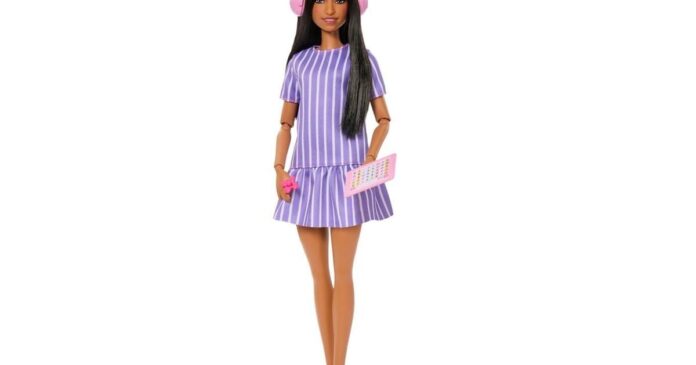

Recognized globally as a leader in the toy industry, Mattel has recently taken a significant step towards promoting diversity and inclusion. “Mattel adds an autistic Barbie to doll line devoted to showcasing diversity and inclusion,” the company announced, marking a significant milestone in its efforts to create more representative toys. This latest addition to their Barbie line displays their commitment to reflecting real-world diversity in their products.
Mattel’s Partnership with the Autistic Self Advocacy Network
According to Mattel, the development of the autistic Barbie doll took more than 18 months. This was not a task taken lightly; to ensure authenticity and sensitivity, the toy giant partnered with the Autistic Self Advocacy Network (ASAN). ASAN, a reputable organization led by autistic individuals, provided critical input during the development process, ensuring the toy accurately represented the autistic community.
Commitment to Diversity and Inclusion
Mattel’s decision to add an autistic Barbie to their doll line is a clear demonstration of their commitment to diversity and inclusion. The company has long been known for its efforts to create toys that reflect the world’s diverse population. Over the years, Mattel has introduced Barbie dolls of different ethnicities, body types, and abilities, each time broadening the representation in their toy line. The introduction of an autistic Barbie is another significant step in this direction, contributing to the normalization and understanding of autism in society.
The Impact of Mattel’s Autistic Barbie
The introduction of an autistic Barbie has the potential to make a significant impact on societal perceptions of autism. By creating a toy that accurately represents autistic individuals, Mattel is not only promoting diversity and inclusion, but also helping to raise awareness and understanding of autism. This can help to reduce stigmatization and misconceptions about autism, and promote acceptance and inclusion.
Final Thoughts
In conclusion, Mattel’s introduction of an autistic Barbie to their doll line is a commendable step towards promoting diversity and inclusion. By partnering with the Autistic Self Advocacy Network, they have ensured authenticity and sensitivity in the representation of autistic individuals. This move not only showcases Mattel’s commitment to creating representative toys but also has the potential to positively influence societal perceptions of autism.
