

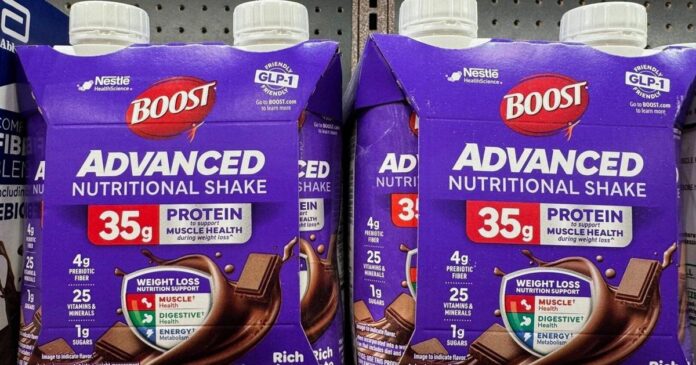

Food companies are targeting users of weight-loss drugs with ‘GLP-1 Friendly’ labels. The trend has grown in popularity as the number of Americans using obesity drugs like Wegovy and Zepbound increases. These labels are being used to guide consumers towards food products that align with their weight loss goals and medication requirements.
Understanding the ‘GLP-1 Friendly’ Labels
The term ‘GLP-1 Friendly’ refers to glucagon-like peptide-1 (GLP-1) receptor agonists, a class of drugs used in the treatment of type 2 diabetes and obesity. These drugs work by mimicking the functions of natural GLP-1 in the body, which is responsible for regulating blood sugar levels and reducing appetite.
Food products with ‘GLP-1 Friendly’ labels are formulated to complement the effects of these medications. They typically contain low amounts of sugars and fats and are high in fiber and protein, helping users maintain stable blood sugar levels and feel fuller for longer periods.
Why ‘GLP-1 Friendly’ Foods?
The rise in obesity rates in the U.S. has led to higher demands for weight-loss solutions, including medications like Wegovy and Zepbound. These drugs have shown promising results in clinical trials, but they work best when paired with a balanced diet and regular exercise.
By choosing ‘GLP-1 Friendly’ foods, users of these drugs can better manage their weight loss journey. These foods not only align with the drug’s function but are also generally healthier, promoting overall well-being.
Food Industry’s Response to the Trend
Recognizing the growing market for these products, food companies have started labeling their products as ‘GLP-1 Friendly.’ This strategy helps them attract a specific consumer base and indicates their commitment to supporting healthier eating habits.
However, it’s essential for consumers to understand that these labels are not a license to overeat. Even ‘GLP-1 Friendly’ foods should be consumed in moderation as part of a balanced diet.
Consumer Responsibility and Awareness
While it’s encouraging to see food companies addressing the needs of those trying to lose weight, it’s also important for consumers to do their part. This means reading food labels carefully, understanding what ‘GLP-1 Friendly’ means, and incorporating these foods into a balanced diet.
It’s also crucial to remember that while ‘GLP-1 Friendly’ foods can support weight loss efforts, they are not a standalone solution. Regular exercise and a balanced diet are still necessary for sustainable weight loss and overall health.
In Conclusion
The emergence of ‘GLP-1 Friendly’ labels in U.S. supermarkets reflects a positive shift towards supporting healthier lifestyles and weight loss efforts. However, consumers must remember that these products should be part of a balanced diet and not a substitute for a healthy lifestyle.
