

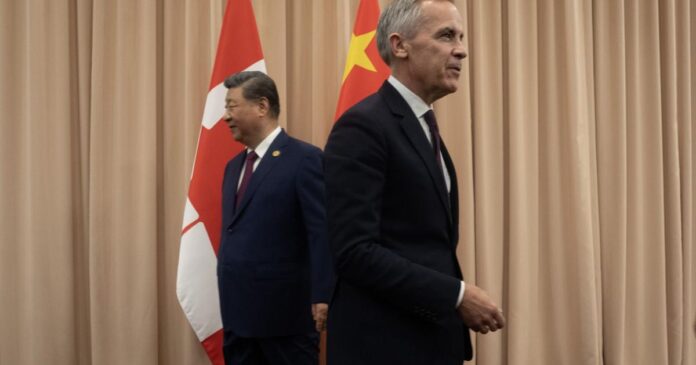

Canada Reaches Tariff-Quota Deal with China on Electric Vehicles, Canola
In a significant development pertaining to international trade, Canada has successfully reached a tariff-quota deal with China involving electric vehicles and canola. The negotiations concluded earlier this week, marking a significant milestone in the bilateral trade relationship between the two nations.
Details of the Agreement
The details of the agreement, as released by the Canadian government, indicate that tariff rates on electric vehicles and canola will be significantly reduced. This move is expected to boost exports of these commodities from Canada to China. The deal also includes a quota system, which will effectively manage the volume of trade between the two countries.
Impact on Canadian Economy
The deal is expected to have a positive impact on the Canadian economy. The automotive and agriculture sectors, which are major contributors to the country’s GDP, are likely to benefit from this agreement. With China being one of the largest markets for electric vehicles and canola, Canadian manufacturers and farmers can expect an increase in demand for their products.
China’s Perspective
From China’s perspective, the deal aligns with its environmental and economic objectives. The country has been aggressively promoting the use of electric vehicles to combat its air pollution problem. Additionally, canola, a type of rapeseed, is a key ingredient in many Chinese cuisines and is also used for biofuel production.
Reactions to the Deal
The agreement has been welcomed by industry representatives and trade experts. The Electric Vehicle Association of Canada expressed optimism about the potential growth of the industry as a result of the deal. Similarly, the Canola Council of Canada lauded the agreement, stating that it would strengthen the country’s canola industry.
Implications for Bilateral Relations
This deal may also have broader implications for the overall relationship between Canada and China. It could pave the way for more trade agreements in the future, fostering stronger economic ties between the two nations. Moreover, it may also help to ease some of the existing tensions in their bilateral relations.
Future Prospects
Looking ahead, the success of this agreement could encourage other countries to pursue similar deals with China. This could potentially lead to a more diverse and balanced global trade environment. Furthermore, the focus on electric vehicles in the deal underscores the growing importance of sustainable technologies in international trade.
In conclusion, the tariff-quota deal between Canada and China is a significant development in their bilateral trade relationship. It not only benefits the electric vehicle and canola industries but also sets a positive precedent for future trade negotiations. As the global economy continues to adapt to technological advancements and environmental challenges, such agreements are likely to become increasingly important.
