

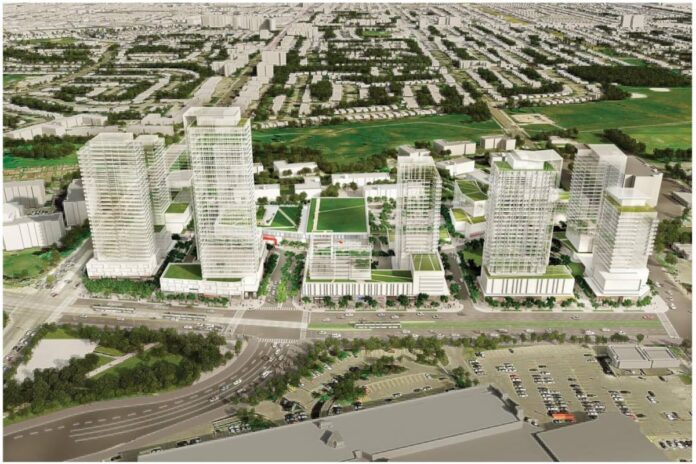

The city of Toronto has been undergoing a significant transformation over the past six years, implementing radical changes to land use and zoning regulations. These changes came as a response to climate change, population growth, and the need for more equitable housing. However, with the collapse of the speculative condo bubble, questions have arisen about the viability of these new planning rules and whether they can reinvigorate the dwindling development industry. Will Toronto’s land use plans meet the moment?
Radical Changes in Land Use Regulations
The city has been allowing multiplexes in housing neighbourhoods, encouraging intensification along major streets, and implementing ambitious reforms to promote high-density development around rapid transit stations. These changes have marked a revolution in land use and zoning changes, a phenomenon not seen since the mid-1990s.
Challenges for the Development Industry
Despite the ground-breaking changes, there are growing concerns about whether these new planning rules can revive the development industry, which has been significantly impacted by the bursting of the speculative condo bubble. The cancellation of numerous high-rise projects and the retreat of some developers from the apartment tower sector have raised doubts about the feasibility of the city’s long-term growth plan.
The Role of Condo Investors
Some city planners express concern that the city’s intensification goals, particularly those based on high-rise density within 800-metre radii of all rapid transit stations, were reliant on attracting condo investors who have now disappeared. As a result, there is anxiety that some of these areas may remain undeveloped or half-developed for extended periods.
Long-term Growth Plan
The city and provincial planners currently envision adding 700,000 residents and 450,000 jobs over the next 25 years – a growth rate that exceeds what Toronto experienced since the turn of the millennium. The current stagnation, however, casts shadows on these targets as the market is unlikely to bounce back immediately to the high levels driven by condos in the late 2010s.
Adjusting to Market Realities
Experts suggest that the current plans might need adjustment to align with the market realities. There is a growing consensus that a strategy based on smaller buildings spread around the transit hub could result in better neighbourhoods and provide the necessary amenities such as parks, community centres, and the like.
Possible Solutions to Stimulate Investment
While the existing planning policies have proven beneficial, there is a question about whether these alone can attract sufficient investment. Proposals have been made to introduce incentives or other policy reforms to facilitate the realization of the city’s ambitions. The building lobby has also suggested relaxing regulations on aspects like green roofs, site plan approvals, and development charges.
Revisiting Urban Design Guidelines
Another argument posits that the council could ease up on the urban design guidelines for both mid-rise and tall buildings. There is a belief that a refresh of these policies could address some of the criticisms associated with high-rise growth, such as small, poorly lit flats, and inadequate elevator service.
In conclusion, while Toronto’s land use plans represent a transformative approach to urban planning, there is a clear need for continuous reassessment and adjustment to align with market realities and ensure the sustainability of the development industry.
