

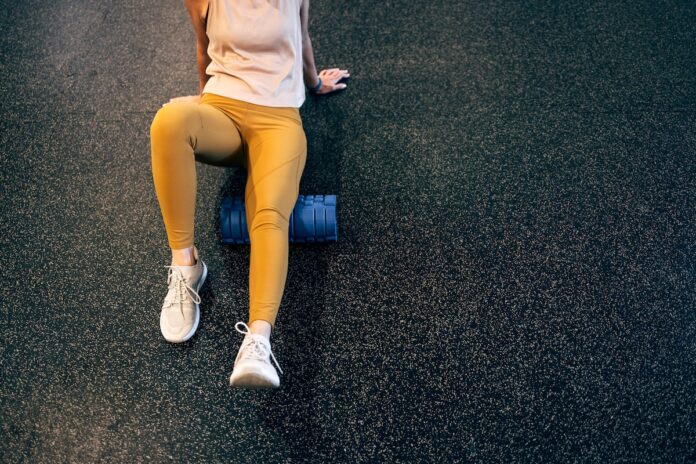

Do you need to foam roll for the health of your fascia? This is a question that many fitness enthusiasts and athletes may find themselves asking. The use of foam rollers and other myofascial release tools has become increasingly popular, but understanding the role and importance of fascia in our bodies is key to answering this question.
Understanding the Role of Fascia
Fascia, a connective tissue that surrounds and supports muscles, tendons, joints, and organs, plays a crucial role in our mobility and overall physical well-being. As part of the recovery market, the industry associated with myofascial release techniques brought in US$300-million in 2024 alone. This underscores the growing interest in and importance of fascia health.
Despite this, many of us may still be wondering how much attention we need to give our fascia. Jared Maynard, a Waterloo, Ont.-based physiotherapist, emphasizes the importance of understanding why we may feel pain and how we can alleviate it.
What is Fascia?
Fascia is a system of connective tissue that exists below the skin, extending from the head to the feet. It is embedded with nerve endings that can sense pain, movement, and pressure. Researchers like Kyra De Coninck, the secretary of the Fascia Research Society and a senior lecturer in sports rehabilitation at the University of Kent, are continuing to explore its functions and importance.
Healthy fascia can help with mobility and the smooth execution of daily activities. However, unhealthy, inflamed, or damaged fascia can lead to pain and some loss of mobility. Sedentary lifestyles can cause the fascia to shorten and stiffen, while repetitive activities can cause inflammation.
Improving Fascia Health
Fortunately, fascia-related issues are not irrevocable. Jared Maynard explains that fascia is quite resilient. For those feeling stiff or tight, especially after long periods of inactivity, the solution is often to gently encourage the body to move more.
Improving fascia health involves a combination of strength, flexibility, and stability, according to Tina Wang, a doctor specializing in physical medicine and rehabilitation. She emphasizes that foam rolling alone is not enough; instead, a variety of movements, including dynamic stretching, yoga, resistance training, and balance exercises, are needed to maintain healthy fascia.
The Role of Foam Rolling
Foam rolling can provide temporary relief for pain and tightness, in part due to its relaxing effects. It can also provide short-term improvements in flexibility. However, for long-term fascia health, engaging in a range of activities and moving frequently will have a greater impact.
Both De Coninck and Maynard agree that while foam rolling can be a helpful tool, it isn’t a fix-all solution. As De Coninck puts it, “If foam rolling feels good and helps you stay active, that’s great stuff,” adding, “we may not be stretching our fascia as much as we think we are.”
Overall, maintaining the health of your fascia involves a combination of myofascial release techniques, diverse movements, and regular activity. While foam rolling can be a part of this routine, it’s important to remember that it’s just one tool in a broader approach to fascia health.
