

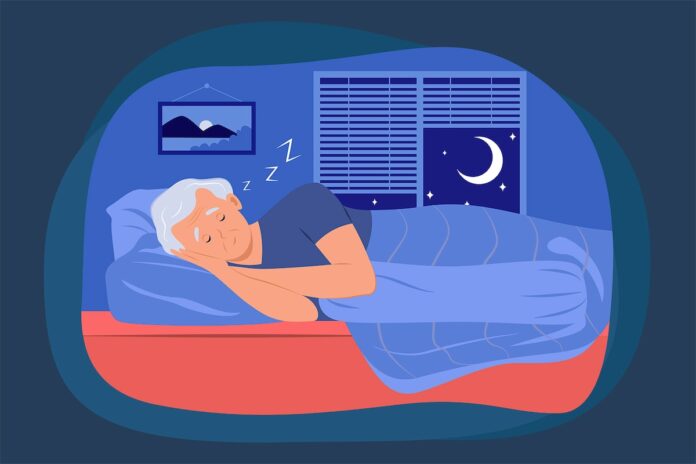

Yes, getting older changes your sleep. It’s a natural part of aging that sleep patterns shift and become more fragmented. But don’t despair – there are steps you can take to help protect and enhance your sleep as you age. Let’s delve into the science behind this phenomenon and explore practical solutions for better sleep health.
The Science Behind Age-Related Sleep Changes
As we age, our sleep becomes shorter, lighter, and more fragmented. By the time we reach our mid-60s, it’s not unusual – even in otherwise healthy people – to experience very little deep sleep, or in some cases, none at all. This happens due to changes in the two main forces that regulate sleep: our “sleep drive” (the pressure to sleep, which builds the longer we stay awake) and our internal biological clock, which dictates the timing of wakefulness and rest.
With age, both these systems lose their strength. The sleep drive becomes sluggish, reducing deep sleep. Simultaneously, the biological clock tends to shift earlier and generate weaker sleep and wake signals, making us more prone to early waking, daytime drowsiness, and nighttime awakenings. Additionally, sleep becomes more sensitive to external factors such as stress hormones, environmental noise, jet lag, and shift work.
The Link Between Age-Related Sleep Changes and Sleep Disorders
Aging also increases the risk of several sleep disorders, such as sleep apnea, characterized by repeated interruptions in breathing during sleep. This condition not only fragments sleep but also increases the risk of high blood pressure, heart disease, and stroke. Moreover, by altering sleep quality and depriving the brain of oxygen, sleep apnea can exacerbate irritability and accelerate memory decline.
Recent research also links age-related sleep changes to brain health. For instance, Concordia University’s Dr. Arsenio Páez found that declines in specific brain waves during sleep – spindles and slow waves – are linked to the buildup of harmful proteins at the core of Alzheimer’s disease. Sleep, therefore, may be a crucial factor in slowing Alzheimer’s progression and preserving brain health.
Improving Sleep Quality as You Age
While age-related sleep changes are natural, poor sleep is not inevitable. Here are some practical steps you can take to improve your sleep health:
- Embrace your body clock: If you find yourself getting sleepy earlier in the evening, go with it instead of resisting. This helps preserve total sleep time, especially if you tend to wake up early in the morning.
- Maintain a stable sleep schedule: Regularity is critical for sleep health and may also have protective effects on brain health as we age.
- Take short, early naps: Short naps (10–30 minutes) before 3 p.m. can be restorative without interfering with your nighttime sleep.
- Properly manage insomnia: If you experience difficulties falling or staying asleep at least three nights per week for over three months, consider cognitive-behavioral therapy for insomnia (CBT-I), which is an effective treatment for older adults.
- Address sleep apnea: If you snore heavily or feel excessively sleepy during the day, seek a referral to a sleep specialist for a sleep test, the only way to diagnose apnea. Treatment can be life-changing.
Although sleep patterns change as we age, it’s crucial not to neglect sleep health. Nurturing your sleep can help keep both your body and mind healthier for longer.
The author, Dr. Rébecca Robillard, PhD, is a clinical neuropsychologist and associate professor at the University of Ottawa. She leads the clinical sleep research at the Royal Ottawa Mental Health Centre and co-chairs the Canadian Sleep Research Consortium, a national hub of sleep scientists and clinicians.
