

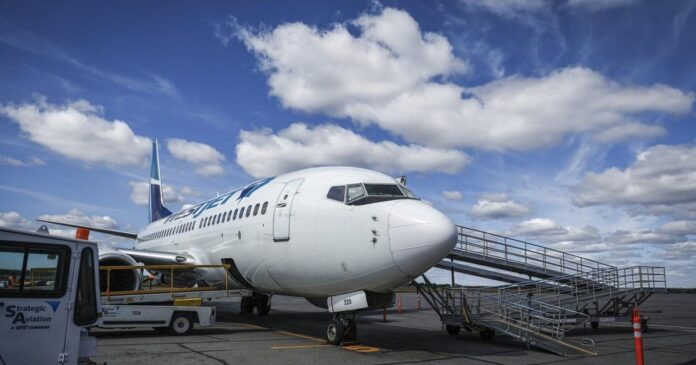

Recently, Canadian airline WestJet announced a pause in its plans to install non-reclining seats on its aircraft after facing considerable backlash. The notion that passengers would have to pay for a reclining seat spurred criticism from passengers and flight attendants alike. The decision to reverse this move is a clear indication of how crucial customer feedback is in shaping airline policies and services.
WestJet’s Reclining Seat Controversy
In a bid to maximize profits, WestJet had initially considered replacing traditional reclining seats with non-reclining ones. The idea behind this move was to charge passengers an extra fee for the luxury of a reclining seat. However, this decision was met with considerable resistance from both passengers and flight attendants. The argument against the move was primarily based on the belief that basic comfort on a flight should not come with an additional price tag.
As seen in the image below, the difference between a non-reclining seat and a reclining one is substantial. Passengers often rely on the ability to recline their seats during long-haul flights to get some rest and avoid discomfort.
Customer Feedback: A Key Player in Airline Policies
The strong response from WestJet customers and employees to the non-reclining seat proposal forced the airline to reconsider its decision. The backlash was a clear demonstration of the power passengers wield in influencing airline policies. This incident serves as a reminder to airlines that while profitability is important, it should not come at the expense of passenger comfort and satisfaction.
Moreover, the incident has highlighted the crucial role flight attendants play in advocating for passenger comfort. Their first-hand experience and interactions with passengers make them a valuable source of feedback for airlines.
Lessons from the WestJet Reclining Seat Controversy
The lesson from WestJet’s experience is clear: airlines must strike a balance between increasing profits and maintaining passenger comfort. Decisions that significantly impact the in-flight experience should be carefully considered, with customer feedback playing a key role in the decision-making process.
WestJet’s decision to pause its move to install non-reclining seats is a testament to the power of customer voices. It serves as a valuable lesson for other airlines that may consider implementing similar cost-cutting measures in the future.
