

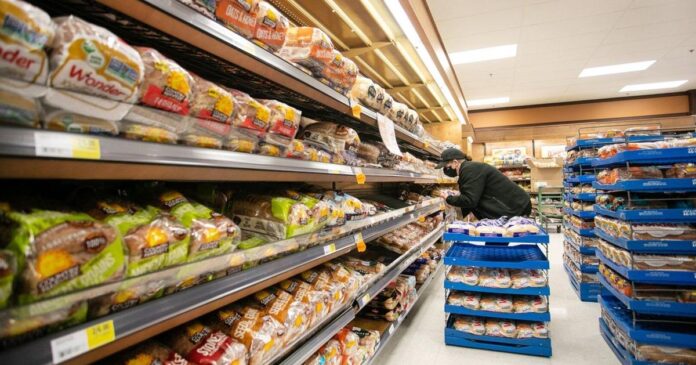

Today marks the deadline for claims in a significant class-action lawsuit related to alleged industry-wide price fixing of bread. The $500 million settlement involves Loblaw Cos. Ltd. and its parent company George Weston Ltd., both major players in the Canadian retail and bakery sector. The “Claims period closes Friday in $500-million bread price-fixing settlement” provides an opportunity for customers who may have been affected by this situation to receive their share of the settlement.
Understanding the Bread Price-Fixing Settlement
Price-fixing refers to the illegal practice where competing companies conspire to set prices for a product instead of allowing market forces to determine them. This lawsuit alleges that between 2001 and 2015, several major grocery chains and bread manufacturers in Canada colluded to increase the price of bread incrementally, impacting consumers negatively.

The Role of Loblaw and George Weston
Loblaw Cos. Ltd. and its parent company George Weston Ltd. admitted their involvement in the price-fixing scheme in 2017. They cooperated with the Competition Bureau’s investigation, leading to a $150 million class-action lawsuit. The current $500 million settlement is an extension of this lawsuit, aiming to compensate more customers affected by the price-fixing scheme.
Claiming a Slice of the Settlement
As part of the settlement, eligible customers could receive a $25 Loblaw gift card or elect to receive a direct payment. The claim period for this settlement ends today. Customers who bought certain packaged bread products at Loblaw banner stores between 2002 and 2015 are eligible to file a claim.
Impact on Consumer Trust
This incident has raised questions about the integrity of industry pricing practices, and it underscores the need for transparency and fairness in the marketplace. It also highlights the importance of consumer vigilance and the role of regulatory bodies in ensuring fair trade practices. The hefty settlement serves as a reminder of the potential financial implications for companies that engage in anti-competitive behaviour.
In Conclusion
It remains to be seen how this settlement will shape the future of pricing policies in the retail sector. For now, it serves as a significant milestone in the fight against unfair pricing practices. As the claims period closes, attention will now turn to the distribution of the settlement and the impact it will have on consumers and the companies involved.
