


The journey of coffee from small farms to your cup is a complex process impacted by a myriad of factors. The process of transforming the small green beans into the rich, deep brown coffee beans that fill your cup with a strong, flavorful brew involves numerous stages. These stages include harvesting, processing, roasting, and packaging, each contributing to the final taste and aroma of your coffee. This article delves into the intricate process that brings your cup of fresh coffee to life.
The Process of Coffee Roasting
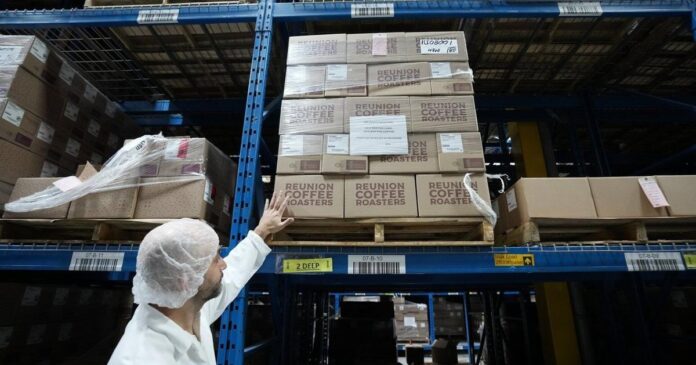
At the heart of coffee production is the roasting process, which is responsible for transforming the raw green beans into the aromatic brown beans we all know and love. This process takes place at roasteries like Reunion Coffee Roasters in Oakville, Ont. Under the watchful eyes of experienced roasters, the beans are washed, weighed, and roasted to achieve the desired color, flavor, and aroma. The process is akin to baking, with temperature, roast time, and airflow all playing critical roles. Such meticulousness is necessary to ensure the final product is just right for consumers.
Challenges in the Coffee Industry
But the journey of coffee from farm to cup is not without its challenges. Over the past few years, the coffee industry has faced a series of hurdles. Import prices for unroasted coffee beans have more than doubled, causing supply shortages. Factors such as climate change, drought, and crop disease have disrupted the global supply, putting pressure on small farmers. This has led to a situation where the global demand for coffee outstrips the supply, forcing all players in the supply chain, from importers and roasters to retailers and consumers, to adapt to the changing landscape.
The Impact of Price Fluctuations
These price fluctuations have had a profound impact on the industry. In Canada, the prices for coffee at grocery stores increased by 27.8 per cent in November compared to the previous year. This has led to a re-evaluation of relationships within the supply chain. Some roasters and retailers are opting for less expensive coffee blends, while others are absorbing some of the costs, leading to a decrease in overall profitability.
Understanding Coffee Pricing
Understanding the pricing of coffee involves understanding the coffee futures market. Coffee prices are set based on contracts for future delivery, which means a surge in coffee prices today won’t be felt by consumers for at least another three months. The volatility of the market, coupled with geopolitical tensions, changing government policies in coffee-producing countries, and tariffs, adds an additional layer of complexity to the pricing of coffee.
The Future of Coffee Pricing
Experts predict that the surge in prices is likely to continue, affecting both local cafes and big chains. However, it’s crucial to remember that these price increases are not a result of price gouging, but rather a reflection of the rising costs of production and the challenges faced by the industry. The journey of coffee from small farms to your cup is a complex one, influenced by a multitude of factors that go beyond the control of individual players in the supply chain.
This report by The Canadian Press was first published Dec. 29, 2025.
