

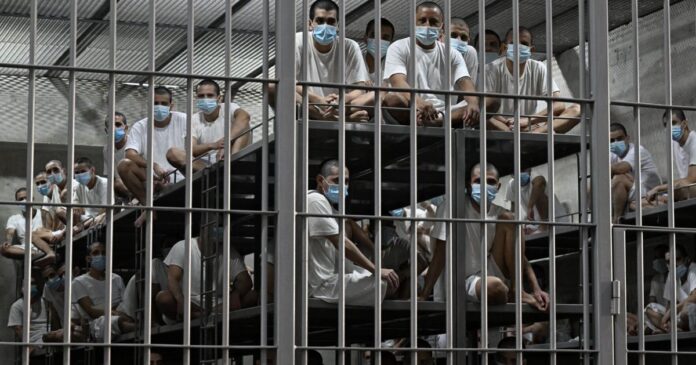

A recent turn of events has raised eyebrows in the international arena. A segment from the popular television show ‘60 Minutes’ that was abruptly pulled off-air has been unexpectedly discovered in Canada. The segment focuses on Venezuelan migrants who, in a shocking twist, were sent to a prison in El Salvador. This situation has sparked a global conversation about immigration policies and human rights.
Understanding the Venezuelan Migration Crisis
The Venezuelan Migration crisis is one of the most significant in recent history. Due to socio-economic turmoil, political instability, and escalating violence, millions of Venezuelans have fled their homeland in search of safety and better livelihoods. BBC News reports that by the end of 2020, nearly 5.4 million Venezuelans had left their country. Unfortunately, many of these migrants face harsh conditions and treatment in their host countries, as highlighted by the ‘60 Minutes’ segment.
The ‘60 Minutes’ Segment: A Controversial Tale
The segment showed Venezuelan migrants being sent to prisons in El Salvador, a country known for its high crime rates and prison overcrowding. The decision to pull this segment off-air in the United States was met with criticism. However, its reappearance in Canada has reignited discussions about the treatment of migrants and the responsibilities of host countries. It has also raised questions about the editorial policies of broadcast networks when dealing with sensitive issues.
El Salvador’s Prisons: A Grim Reality
El Salvador’s prisons are notoriously overcrowded and violent. According to Human Rights Watch, the country’s prisons are “so severely overcrowded that they hold more than double their capacity.” The report also highlights rampant gang violence within these prisons, making them perilous places for anyone, let alone foreign migrants.
Canada’s Role in the Story
The emergence of the ‘60 Minutes’ segment in Canada is significant. As a country known for its welcoming immigration policies and strong commitment to human rights, the airing of this segment could potentially influence public opinion and policy-making. It might also encourage greater scrutiny of the treatment of migrants worldwide
.
Concluding Thoughts
In conclusion, the tale of the pulled ‘60 Minutes’ segment on Venezuelan migrants sent to El Salvador prison appearing in Canada is a testament to the power of media in shaping global discourse. It underscores the need for transparency, humanity, and respect for human rights in dealing with the global migrant crisis.
