

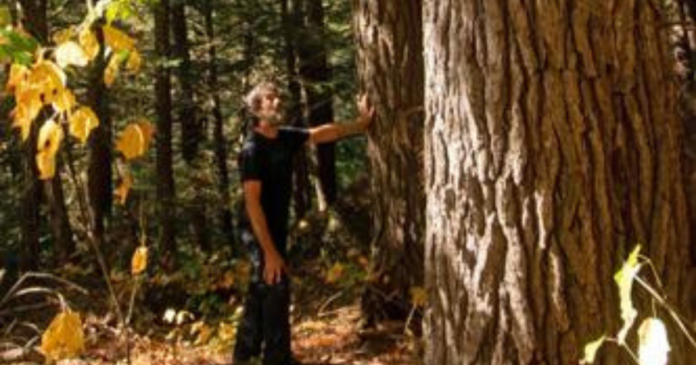

Recent discoveries have brought to light a phenomenal finding in Canada’s Algonquin Park. A 354-year-old forest, teeming with ancient trees, some of which have been standing since the 1600s, has been identified within a designated logging zone. This discovery has sparked a wave of concern among researchers and environmental advocates, raising pressing questions about the future of these old-growth forests.
The Discovery of the Ancient Forest
The forest was discovered by the Ancient Forest Exploration and Research group, whose researchers have been documenting old-growth forests in Ontario for over 30 years. The team found some trees in the Algonquin Park that are over 220 years old, with the oldest one estimated to be 354 years old. The group’s findings are particularly significant as the area was previously thought to contain only younger forests.
The Value of Old-Growth Forests
Old-growth forests, like the 354-year-old forest found in Algonquin Park, are a vital part of our planet’s ecosystem. They are known for their rich biodiversity, providing habitats for numerous species, some of which are endangered. These forests also play a crucial role in climate regulation by absorbing large amounts of carbon dioxide, a key greenhouse gas contributing to global warming.
Threats to the Old-Growth Forests
Despite their ecological importance, these ancient forests are at risk due to their location within a logging zone. Logging activities in these forests can lead to a loss of biodiversity, disrupt wildlife habitats, and release stored carbon into the atmosphere, exacerbating climate change. The discovery of the ancient forest in the logging zone has therefore sparked urgent calls for its preservation.
Urgent Calls for Preservation
Researchers and environmental advocates are urging the government to take swift and decisive action to protect the ancient forest. They argue that the unique ecological value of these old-growth forests far outweighs any short-term economic benefits from logging. The Ancient Forest Exploration and Research group is among the voices calling for the area’s logging status to be revoked and for it to be declared a protected area.
Government Response
While there has been no official response from the government yet, the discovery has ignited a public debate on the importance of forest conservation and sustainable logging practices. It serves as a reminder of the need to balance economic development with environmental protection, and the responsibility we have to preserve our planet’s history and biodiversity for future generations.
As the fate of the 354-year-old forest found in Algonquin Park hangs in the balance, it becomes evident that the discovery has not just shed light on a hidden treasure of our natural world, but also highlighted the ongoing threats faced by old-growth forests globally.
