

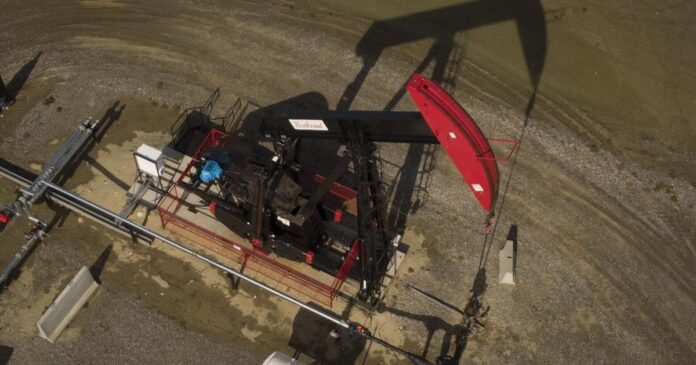

The recent Alberta-Ottawa agreement on methane targets has been met with mixed reactions. While the prospect of a new bitumen pipeline to the West Coast has dominated headlines, it’s the lesser-known details of the accord that have some stakeholders expressing relief and others voicing their dismay.
Alberta-Ottawa Agreement: A Mixed Bag
The agreement, announced by the federal and provincial governments late last month, outlines a comprehensive plan for energy development in Alberta. Central to the plan is the construction of a new bitumen pipeline, which has garnered significant attention. However, another aspect of the accord is proving controversial: the setting of new methane reduction targets.
Methane Targets: Concern for Environmentalists
The Alberta-Ottawa agreement sets ambitious goals for reducing methane emissions, a greenhouse gas that is far more potent than carbon dioxide. However, these targets have left environmentalists dismayed. They argue that the targets are not stringent enough to effectively combat climate change and that the agreement does not provide enough oversight or accountability measures to ensure that the targets are met.
Relief for Energy Industry
On the other side of the debate, the energy industry has expressed relief at the agreement. Industry representatives argue that the methane targets are realistic and achievable, and that they strike a balance between environmental responsibility and economic viability. They also highlight that the agreement provides certainty for the industry, which has been grappling with uncertainty due to shifting political and environmental landscapes.
Looking Forward: Future of Energy Development
The Alberta-Ottawa agreement represents a significant step in the ongoing evolution of energy development in Canada. The agreement has sparked a valuable conversation about the balance between environmental responsibility and economic progress. As Alberta and Canada continue to navigate this complex issue, it will be critical to ensure that all voices are heard and that decisions are based on sound science and responsible policy.
Image Caption: The prospect of building a new pipeline has dominated headlines, but the Alberta-Ottawa agreement’s methane targets have sparked controversy.
