

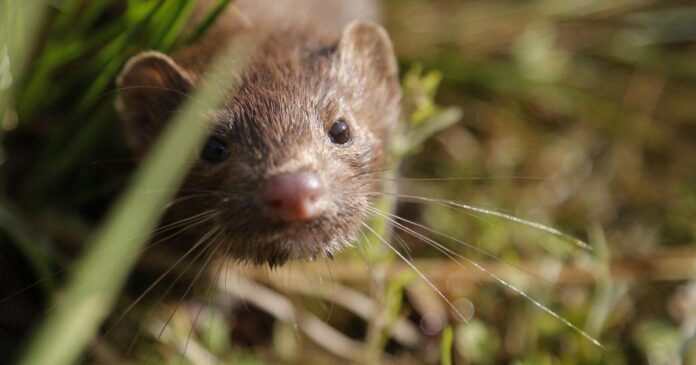

In a surprising turn of events, mink farmers in British Columbia (B.C.) and other parts of Canada have decided to drop their legal challenge against a ban implemented during the pandemic era. The decision comes after a prolonged four-year fight, with the farmers citing legal costs that have soared far beyond their means.
Background of the Ban
The ban in question was put in place as a response to concerns about the spread of COVID-19 on mink farms. Both the World Health Organization and the Centers for Disease Control and Prevention have identified mink as animals that can become infected with the virus that causes COVID-19, SARS-CoV-2, and spread it to humans. This led to the B.C. government implementing stringent measures to control the spread of the virus, including a ban on mink farming.
Legal Challenge and Subsequent Withdrawal
The mink farmers initially challenged the ban, arguing that it was an infringement on their rights and livelihoods. However, they recently decided to drop their legal challenge, citing the exorbitant legal fees that have accumulated over the four-year tug-of-war with the provincial authorities.
Impact on the Mink Farming Industry
The withdrawal of the legal challenge and the continuation of the ban could have far-reaching consequences for the mink farming industry in Canada. Mink farming has been an important part of the rural economy in different parts of Canada, including B.C. The ban could potentially lead to a significant loss of revenue and jobs in the sector.
Looking to the Future
While the decision to drop the legal challenge marks the end of a chapter in the dispute, it may not be the end of the story. It remains to be seen how the mink farming industry will adapt to the ban and what measures will be taken to support those affected. In the meantime, the focus is on controlling the spread of the virus and ensuring public health and safety.
