

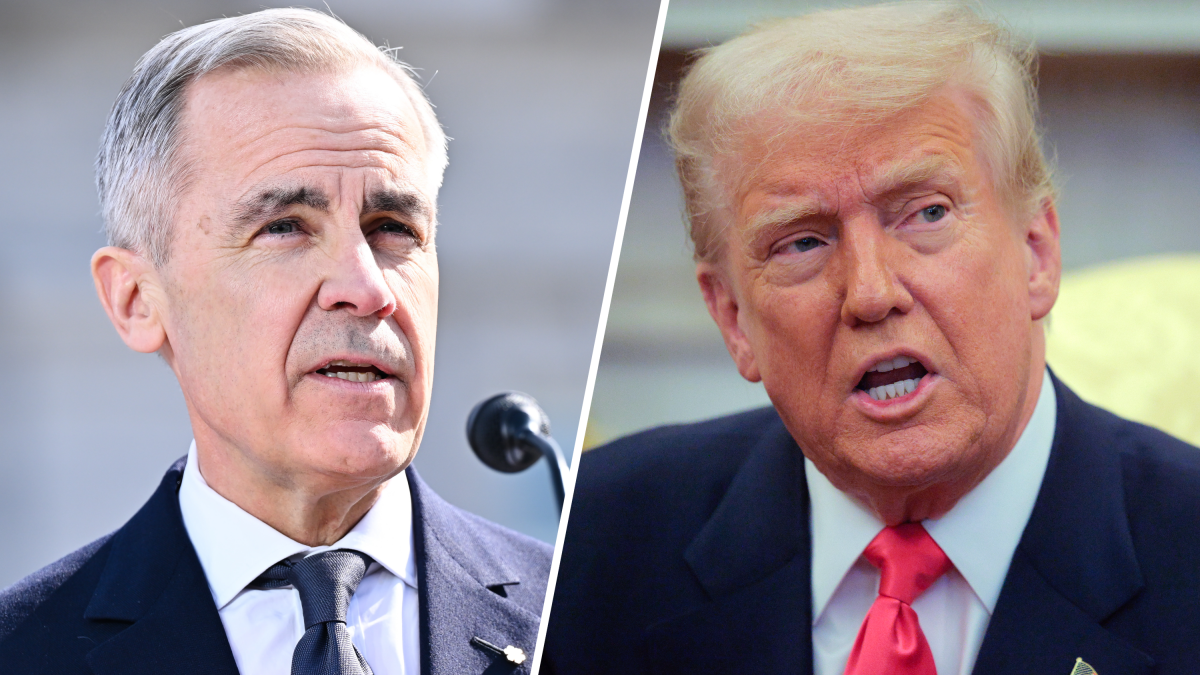

Recent reports indicate that Canadian Prime Minister Mark Carney and U.S. President Donald Trump have resumed trade talks, following Canada’s decision to halt the implementation of a proposed tax on U.S. technology firms. This move comes as a response to President Trump’s decision to suspend trade talks with Canada, which he described as a “direct and blatant attack on our country”. The decision to reverse the tax plan seems to have opened the doors for renewed negotiations between the two countries.
Canada Rescinds Technology Firm Tax
The Canadian government recently announced that it would be rescinding its plans to implement the Digital Services Tax, which was initially set to go into effect on Monday. This tax would have applied to both Canadian and foreign businesses that engage with online users in Canada, hitting major companies like Amazon, Google, Meta, Uber, and Airbnb with a 3% levy on revenue from Canadian users. This would have resulted in a bill of approximately $2 billion for U.S. companies at the end of the month.
Implications for Trade Talks
The decision to rescind this tax represented a significant turning point in the trade talks, as it prompted President Trump to agree to resume negotiations with Canada. Daniel Béland, a political science professor at McGill University, described this as a “clear victory” for both the White House and big tech. However, he also noted that it could make Carney appear vulnerable to President Trump’s outbursts.
Global Tariffs and Trade Wars
The Trump administration’s sweeping tariffs against foreign imports have led to a number of retaliatory measures from countries around the world. These tariffs, which include a 50% tariff on steel and aluminum, a 25% tariff on autos, and a 10% tax on imports from most countries, have led to ongoing discussions with Canada regarding the easing of these steep tariffs.
Canada’s New Economic and Security Relationship with the U.S.
Canadian Finance Minister François-Philippe Champagne noted that the decision to rescind the digital services tax would allow vital progress in the negotiations of a new economic and security relationship with the United States. The ongoing trade war, initiated by President Trump, has resulted in a rollercoaster of progress with Canada, with the U.S. President even suggesting at one point that Canada might be absorbed as a U.S. state.
Mark Carney as Prime Minister
Mark Carney, who succeeded former Prime Minister Justin Trudeau following a landslide victory, has been leading the country’s 30th ministry. As Prime Minister, Carney’s decision to rescind the Digital Services Tax signifies his willingness to negotiate and compromise in order to promote positive trade relationships with other nations, including the United States.
