

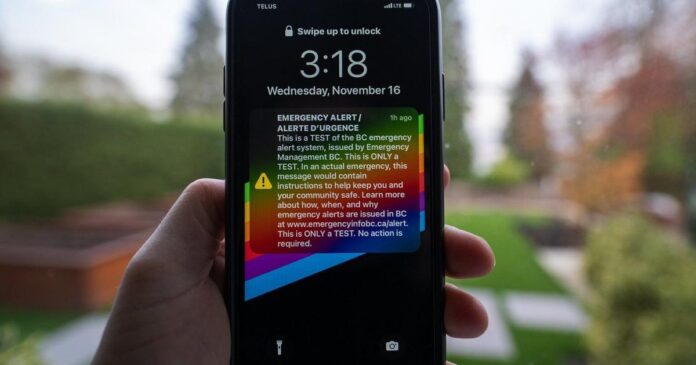

As the world grapples with a myriad of crises from environmental disasters to pandemics, the importance of an effective emergency alert system has never been more evident. In Canada, the national alerting system is under scrutiny, with calls for changes to its current framework. The communication regulator is considering these changes to extend the reach of the national alerting system. This move is largely prompted by concerns raised by rural municipalities, Indigenous organizations, and civil society groups who demand improved emergency alert coverage in remote areas of the country.
The Need for an Inclusive National Alerting System
Canada’s vast geographical expanse poses unique challenges when it comes to timely and effective dissemination of emergency alerts. For those residing in remote areas, receiving these alerts can be the difference between life and death. Indigenous communities, rural municipalities, and civil society groups have been vocal about the need for a more inclusive system that does not leave any Canadian behind, irrespective of their location.
Current Limitations and Proposed Changes
The current national alerting system predominantly utilizes mainstream media channels and digital platforms to communicate emergency alerts. However, these methods often fall short in ensuring comprehensive coverage, particularly in remote regions. Proposed changes to the system aim to address these limitations. Suggestions include integrating alternative communication methods such as satellite and ham radios, and enhancing existing technology to ensure reliable delivery of alerts in all regions.
Stakeholders’ Views and Recommendations
Rural municipalities, Indigenous organizations, and civil society groups have been instrumental in spearheading this call for change. They advocate for a more robust and inclusive national alerting system that caters to the specific needs of their communities. These groups have proposed a series of recommendations to the communication regulator. These include the involvement of Indigenous communities in decision-making processes, the development of alerts in Indigenous languages, and location-specific alerts to address the unique needs and challenges of different regions.
Regulator’s Response
The communication regulator has responded positively to these calls for change. They are actively considering the proposed changes and are committed to extending the reach of the national alerting system. While it is still early days, the regulator’s positive response signals a step in the right direction towards a more inclusive and effective national alerting system.
As these developments unfold, the hope is that they will result in a national alerting system that truly serves all Canadians, particularly those in remote and vulnerable regions. With open dialogue and collaborative efforts between the communication regulator and the concerned groups, the prospect of a more inclusive national alerting system looks promising.
