

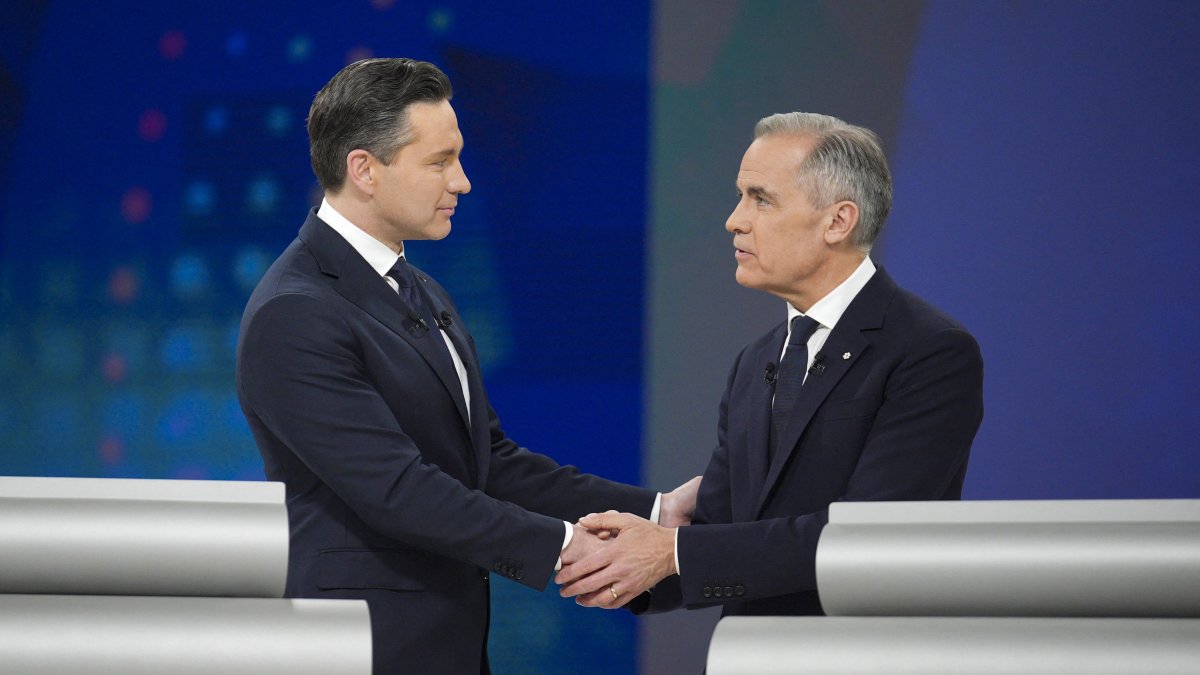

On Monday, Canadian voters expressed their support for Prime Minister Mark Carney’s Liberal Party, as projected by the Canadian Broadcasting Corp (CBC). The national election was strongly influenced by the policies and actions of President Donald Trump, making it a central issue in the Canadian political landscape. However, the final outcome and whether the Liberal Party will secure enough seats to form a majority government remains uncertain.
Liberal Party’s Remarkable Turnaround
Earlier this year, the outlook for the Liberal Party was grim, facing potential defeat by the opposition Conservatives. There was widespread public discontent with increasing inflation, rising immigration, and the approach of then Prime Minister Justin Trudeau to President Trump. Trudeau announced his resignation on January 6th, ahead of Trump’s inauguration, after struggling in the polls.
However, Trump’s conduct towards Canada, one of America’s closest allies, and his controversial policies, including imposing heavy tariffs on Canadian imports and advocating for Canada to become the 51st U.S. state, became a primary issue in the Canadian election. This issue played a significant role in the Liberal Party’s impressive comeback, helping them close an almost 20-point gap with the Conservatives in mere weeks.
Mark Carney’s Influence in the Election
Prime Minister Mark Carney, a former central banker experienced in handling economic crises, also played a crucial role in boosting the Liberals. Carney assumed the position as Prime Minister last month after being elected leader of the Liberal Party, and swiftly called a snap election in hopes of securing a full term.
During the 37-day campaign, Carney highlighted his past experience managing the Bank of Canada following the 2008 global financial crisis and the Bank of England during the Brexit process. His campaign’s promise of strong economic leadership and change resonated with many voters.
The Opposition’s Struggle
Conservative leader Pierre Poilievre, initially enjoying popularity with his populist approach, began losing support as Canadians grew increasingly frustrated with his similarities to Trump. Poilievre’s campaign focused on job opportunities and housing affordability, reflecting public dissatisfaction with the Liberal government. However, his approach was not enough to overcome the growing resentment towards Trump-like policies.
Rebuking Trump’s Interference
Both Carney and Poilievre denounced Trump’s comments about the Canadian election, particularly his repeated suggestion that Canada should become the 51st U.S. state. Carney emphasized Canada’s autonomy in a social media video, while Poilievre urged Trump to stay out of Canada’s election in a post on his platform.
Voters’ Perspective
Voters also expressed their views on the election and the candidates. Reid Warren, a Toronto resident, said he voted for the Liberal Party because Poilievre “sounds like mini-Trump to me.” He also cited tariffs as a concern, acknowledging the turmoil caused by U.S. policies.
This story first appeared on NBCNews.com. More from NBC News:
