

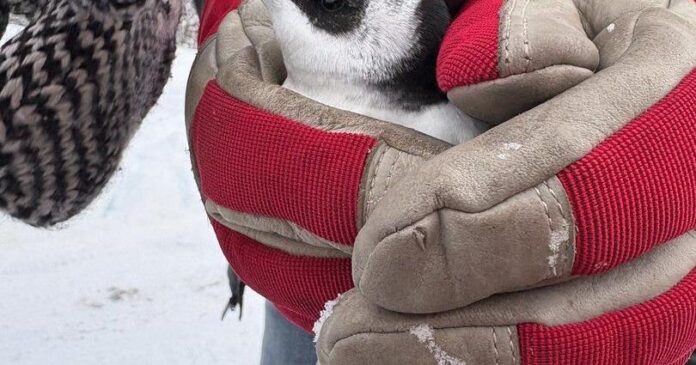

The sight of seabirds that look like pint-sized penguins blown ashore in Newfoundland after storms is not uncommon. These creatures, known as Dovekies, often find themselves in this predicament as a result of harsh weather conditions. But what is it about these birds and the region that makes this a recurrent phenomenon? In this article, we delve into the fascinating life of Dovekies and their connection to Newfoundland.
Understanding Dovekies
Dovekies, or Alle alle, are small seabirds that belong to the auk family. They are often mistaken for penguins due to their similar black and white coloring and upright stance. However, unlike penguins, Dovekies can fly. They are pelagic, meaning they spend most of their lives out at sea, only returning to land to breed.
Dovekies and Newfoundland
Newfoundland, located on the eastern edge of Canada, is a significant breeding ground for many species of seabirds, including Dovekies. Harsh weather conditions, particularly storms, often blow these small birds off course and onto the Newfoundland coast. Although this may seem like a perilous situation, it’s a natural part of their life cycle and showcases their resilience.
The Impact of Storms
Storms play a significant role in the distribution of Dovekies. Powerful winds can blow these lightweight birds hundreds of miles off course. While this could be potentially dangerous, Dovekies are known for their resilience and adaptability, qualities that enable them to survive in such harsh conditions.
Rescue and Rehabilitation
When Dovekies are blown ashore, it’s not unusual for local residents and wildlife organizations in Newfoundland to step in. These groups rescue and rehabilitate the disoriented birds until they are strong enough to return to the sea. This collective effort highlights the close-knit relationship between humans and nature in Newfoundland.
Conclusion
The sight of Dovekies blown ashore in Newfoundland is a testament to the unpredictable nature of the sea and the resilience of its inhabitants. While these incidents may seem unfortunate, they are part of the natural cycle that these small seabirds have adapted to. Through understanding and respect for nature, we can appreciate these events as part of the larger tapestry of life on our planet.
