

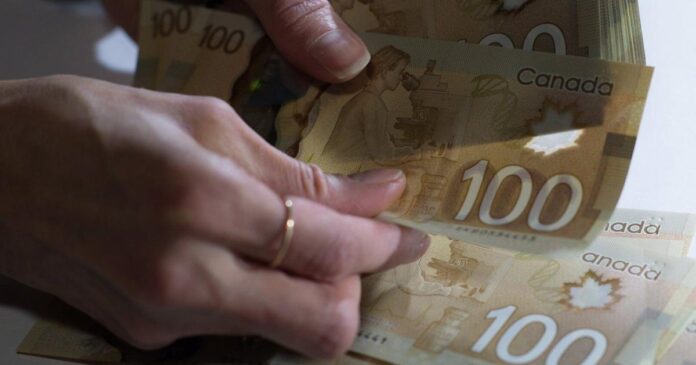

Canada’s retail sector is grappling with a significant increase in the circulation of counterfeit bills in retail stores. The Retail Council of Canada has raised concerns over the proliferation of counterfeit $20, $50, and $100 bills since November. This surge is causing substantial loss to retailers and disrupting the marketplace.
Concerns Raised by the Retail Council of Canada
The Retail Council of Canada (RCC) has voiced its apprehensions about the widespread circulation of counterfeit Canadian currency. The council has noted a sharp rise in the distribution of fake $20, $50, and $100 bills across retail outlets since November. The RCC is the country’s leading voice for retail businesses, making it a credible source of information within the industry. Its warnings carry significant weight and are a cause for concern among retailers.
Impact on the Retail Industry
Counterfeit currency poses a significant risk to the retail industry. Fake bills result in direct losses for businesses as they cannot exchange counterfeit money for real currency. Moreover, the surge in counterfeit bills can erode trust in the marketplace and create an unstable business environment. Retailers have to increase their vigilance and invest in advanced detection technologies to identify counterfeit bills, adding to their operational costs.
Tackling the Counterfeit Currency Challenge
Addressing the issue of counterfeit currency requires a comprehensive approach. Retailers can invest in advanced currency detection devices to identify fake bills. Training staff to recognize counterfeit currency is also crucial. On a broader scale, law enforcement agencies need to intensify their efforts to crack down on counterfeit currency operations. The Bank of Canada also plays a vital role in designing banknotes with advanced security features that are difficult to replicate.
Conclusion
The surge in counterfeit currency circulation is a serious concern for the Canadian retail industry. The RCC’s warning underscores the need for concerted efforts from retailers, law enforcement, and regulatory bodies to address this issue. By doing so, they can protect the integrity of the marketplace and ensure a stable and trustworthy retail environment.
