

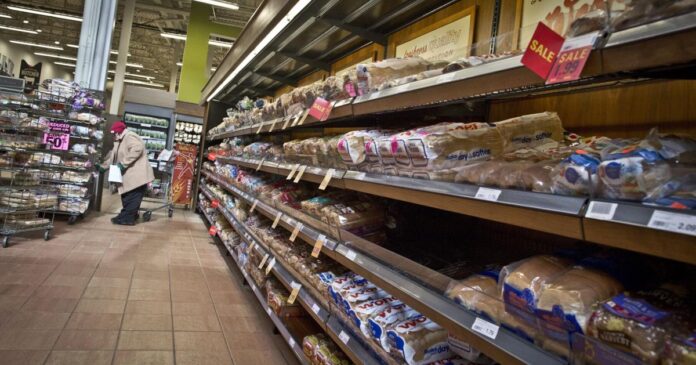

Today is your last chance to grab a slice of the Loblaw bread price-fixing settlement. Here’s how much you can get. With December 12 being the final date for Canadians to submit a claim, everyone eligible is urged to partake in this class-action lawsuit, which has been set up to compensate for the bread price-fixing scandal that emerged in 2015.
About the Loblaw Bread Price-Fixing Settlement
In 2015, an investigation revealed that Loblaw Companies Limited, along with other major grocery retailers, was involved in a bread price-fixing scheme. This resulted in inflated bread prices for Canadian consumers over a 14-year period, from 2001 to 2015. After acknowledging their involvement, Loblaw offered $25 gift cards to affected customers as a goodwill gesture. However, a class-action lawsuit was subsequently launched, leading to a $500-million settlement fund being established to compensate those who were overcharged.
How Much Can You Get?
The amount that eligible individuals can receive from the $500-million settlement depends on several factors, including the number of claimants, the duration of their purchases, and the type of bread products purchased. However, it is estimated that individual payouts could range from $25 to a few hundred dollars. It’s important to note that the actual amount received may be lower, depending on the total number of valid claims submitted.
How to Submit a Claim?
Eligible claimants are those who purchased certain bread products from specific retailers between 2001 and 2015. These retailers include Loblaw-owned stores, as well as other supermarkets involved in the price-fixing scheme. To submit a claim, individuals must visit the class-action lawsuit’s official website and complete the online claim form. It is important to submit the form before the December 12 deadline to be considered for compensation.
Final Thoughts
This class-action lawsuit serves as a stark reminder of the importance of corporate responsibility and the potential consequences of unethical business practices. It provides compensation for eligible consumers who were unfairly overcharged for bread products. However, beyond the monetary aspect, it sends a clear message about consumer rights and the importance of fair pricing.
