

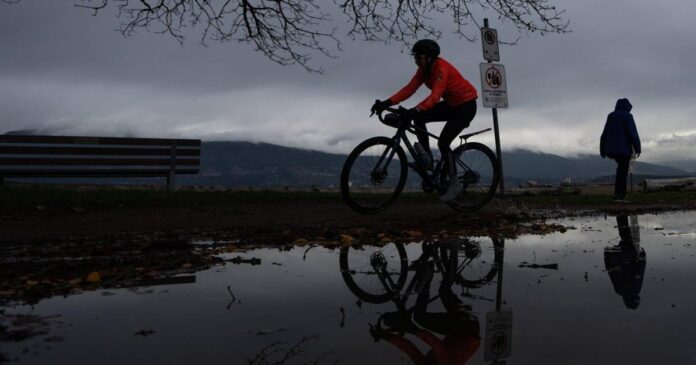

The beautiful regions of Vancouver Island are currently under flood watch as an atmospheric river continues to batter the B.C. coast. This natural phenomenon, characterized by a long, narrow region in the atmosphere, is responsible for transporting most of the water vapour outside of the tropics. The impacts of such events can be extensive and severe, leading to high rainfall totals and subsequent flooding.
Flood Watch in Vancouver Island Regions
The atmospheric river, a colloquial term used to describe the transport of water vapour in the atmosphere, is currently causing havoc on the British Columbia coast. The regions of Vancouver Island are particularly affected, with flood watches in place. The situation is being closely monitored by local meteorological authorities and emergency services.
Understanding Atmospheric Rivers
Atmospheric rivers are relatively long, narrow regions in the atmosphere, like rivers in the sky, that transport most of the water vapour outside of the tropics. These columns of vapour move with the weather, carrying an amount of water vapour roughly equivalent to the average flow of water at the mouth of the Mississippi River. When the atmospheric river makes landfall, it often releases this water vapour in the form of rain or snow. [1]
Risks and Impacts of Flooding
Flooding, as currently experienced by the Vancouver Island regions, can pose various risks to both individuals and communities. Aside from physical damage to properties and infrastructure, there can be significant impacts on livelihoods and well-being. Flooding can also cause serious environmental damage, disrupting ecosystems and wildlife.
Preparing for Flood Events
While we cannot control the weather, communities can prepare for flood events. This includes staying informed about the latest weather forecasts, having a plan in place, preparing an emergency kit, and understanding the local area’s flood risk. [2]
Climate Change and Extreme Weather Events
The occurrence of extreme weather events, such as the atmospheric river affecting B.C. coast, is thought to be influenced by climate change. The warming of the atmosphere and the oceans is contributing to an increase in the frequency and intensity of such events. This underscores the urgent need for global action on climate change. [3]
In conclusion, the situation in Vancouver Island underlines the power of natural phenomena and the impacts they can have on our lives and environments. It is a stark reminder of the need for preparedness, timely action, and the continuing dialogue on climate change.
