

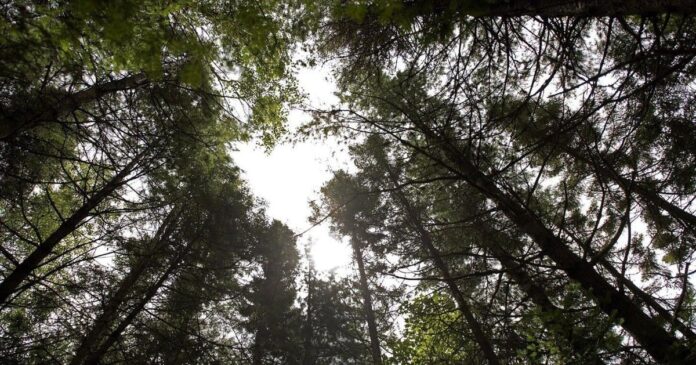

The Wolastoqey Nation, a First Nations group located in the Atlantic provinces of Canada, has expressed their intention to take a land title claim to the Supreme Court. The claim pertains to a significant portion of forest land, and the appeal represents an important development in the ongoing conversation surrounding indigenous rights in Canada.
Context of the Wolastoqey Nation’s Appeal
The Wolastoqey Nation’s appeal stems from a longstanding dispute over their traditional territories. These territories encompass vast expanses of forest land, which the nation asserts has been unjustly claimed and exploited by outside entities. The appeal to the Supreme Court comes after a series of legal setbacks in lower courts, but the Wolastoqey Nation remains steadfast in their pursuit of justice.
Implications of the Land Title Claim
Should the Supreme Court decide in favor of the Wolastoqey Nation, the ruling would have far-reaching implications. It would not only mean the return of their ancestral lands, but it could also set a legal precedent for other indigenous groups seeking to reclaim their traditional territories. The fight for land rights is a cornerstone of indigenous activism in Canada and this appeal represents a pivotal moment in that struggle.
A Broader Look at Indigenous Land Rights
The Wolastoqey Nation’s appeal is a part of a larger, national conversation about indigenous land rights. Across Canada, numerous First Nations, Inuit, and Métis communities have been advocating for the recognition and return of their traditional lands. These communities have faced significant opposition and legal challenges, but their steadfast commitment to their land and their rights continues to push this conversation forward.
Legal Precedents and Future Implications
There have been previous legal precedents in Canada concerning indigenous land rights. Perhaps the most notable is the 2014 Tsilhqot’in Nation v. British Columbia case, where the Supreme Court of Canada granted declaration of aboriginal title to the Tsilhqot’in Nation for the first time in Canadian history. A similar ruling in favor of the Wolastoqey Nation would not only validate their claims but could also provide a roadmap for other indigenous groups to reclaim their lands.
The Wolastoqey Nation and the Fight for Justice
The Wolastoqey Nation’s fight for their land is not just about territory – it’s about justice. It’s about acknowledging historical wrongs and taking concrete steps towards rectification. It’s about recognizing the inherent rights of indigenous peoples and their deep connections to the land. Regardless of the outcome at the Supreme Court, the Wolastoqey Nation’s appeal is a testament to their resilience and their unwavering commitment to justice.
