

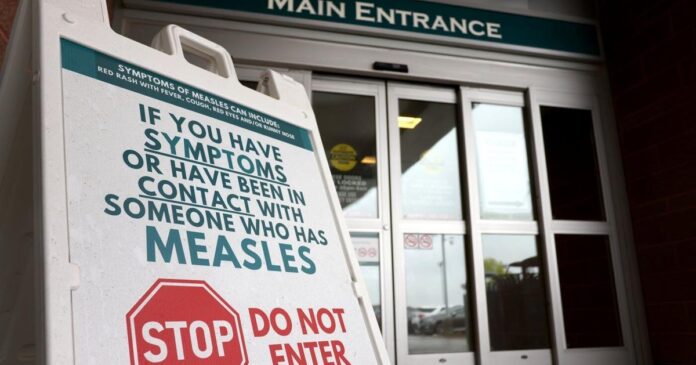

Canada’s status as a country without endemic measles can now be revoked. This significant public health change is a direct result of the increasing number of measles cases reported across various states and countries, as outlined in our comprehensive list. This article aims to delve into the issue, exploring the factors contributing to the resurgence of this once nearly eradicated disease.
Measles Resurgence: A Global Concern
Measles, a highly contagious disease, has seen an alarming resurgence in various parts of the world. This includes numerous states across the United States of America, various Canadian provinces, and countries spanning from United Mexican States to Zimbabwe. The increase in reported cases is a cause for concern, given the dangerous health risks associated with the disease.
Factors Contributing to the Resurgence
Health authorities attribute the resurgence of measles to a number of factors. These include lower vaccination rates, increased global travel, and misinformation about vaccines. According to the World Health Organization, declining vaccination rates have played a significant role in the resurgence of the disease. The spread of misinformation about vaccines, particularly through social media, has led to increased vaccine hesitancy, further contributing to the problem.
Implications of the Resurgence
The resurgence of measles has serious implications for public health. The disease can lead to severe health complications, including pneumonia, encephalitis, and even death. Moreover, an increase in measles cases puts those who cannot receive the vaccine – such as infants and individuals with certain medical conditions – at risk.
Addressing the Issue
Addressing the resurgence of measles requires a multi-faceted approach. This involves improving vaccine coverage, dispelling myths about vaccines, and enhancing disease surveillance. The World Health Organization emphasizes the importance of maintaining high vaccination coverage to protect communities and prevent outbreaks.
Public health authorities are also working to combat misinformation about vaccines. The Centers for Disease Control and Prevention offers numerous resources to educate the public about the safety and efficacy of vaccines. Additionally, improved disease surveillance can help identify and respond to outbreaks more quickly.
Conclusion
The resurgence of measles is a global health concern that demands urgent attention. By boosting vaccine coverage, debunking vaccine myths, and improving disease surveillance, we can work towards eliminating this highly contagious disease once more.
