

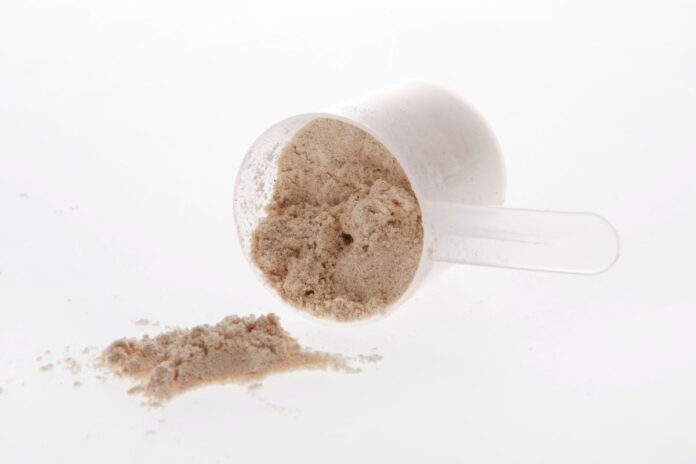

Concerned about your protein powder habit? Consider these whole food protein swaps. Many of us have become accustomed to reaching for a scoop of protein powder to supplement our diets. However, a recent report from Consumer Reports has highlighted some concerning findings about the levels of lead found in many popular brands of protein powders. This has raised questions about the safety and health implications of these widely-used supplements. In light of this, it’s worth exploring alternatives to protein powders, and how to get your daily protein intake from whole foods instead.
Consumer Reports Findings
A report from the U.S. non-profit organization, Consumer Reports, published on October 14, tested 23 popular brands of dairy, beef, and plant-based supplements, including protein powders and ready-to-drink protein shakes, for heavy metals, including lead. Disturbingly, nearly 70% of the products tested contained more lead in a single serving than the organization deems safe for daily consumption. Even more worrisome, the lead levels in plant-based products were, on average, nine times higher than those for dairy-based products, such as whey, and twice as high compared to beef-based products.
How does Lead Get into Food?
Lead is a naturally occurring metal present in the air, dust, and soil, which means it’s found in trace amounts in virtually all foods. However, food can also become contaminated with heavy metals in various ways. For example, airborne lead dust can fall onto food crops or into the soil, which is then absorbed by the plants. Additionally, animal-based products like milk and beef can become contaminated from the cow’s feed or water. Lead could also be introduced into food products at the manufacturing plant.
The Harmful Effects of Lead
Lead has no biological function in the human body. Once absorbed, it circulates in the bloodstream and is distributed to soft tissues, including the brain, liver, and kidneys. Most of it accumulates in bone tissue, where it remains for decades. Health effects of lead exposure can include slowed growth, headaches, and learning and behavioral difficulties in children. In adults, it can cause reproductive problems, high blood pressure, memory problems, and muscle and joint pain.
Alternatives to Protein Powders
While occasional use of protein powders may not cause immediate harm, regular and extended consumption is a cause for concern. Given the findings of the Consumer Reports investigation, it is advisable to limit the daily use of protein powders, especially for children and people who are pregnant or could become pregnant. Instead, consider getting your daily protein from whole foods such as fish, chicken, lean meat, eggs, dairy, lentils, chickpeas, edamame, tofu, nuts, and seeds. Not only do these foods provide protein, they also deliver a host of other essential nutrients such as vitamins, minerals, dietary fiber, and protective phytochemicals.
Whole Food Protein Swaps for Powder
There are numerous ways to replace protein powder with whole foods. For instance, instead of protein powder, you can use unsweetened Greek or Icelandic yogurt to make a protein shake or smoothie. You can also use ultra-filtered milk, which provides a significant amount of protein. Blending in two tablespoons of powdered peanut butter adds additional protein. Alternatively, you could accompany your smoothie with protein-rich foods like homemade egg bites, cottage cheese, yogurt, roasted chickpeas, canned fish, or pumpkin seeds.
In conclusion, while protein powders may seem convenient, their safety is currently under scrutiny. Therefore, prioritizing whole foods for your daily protein intake is a safer and more nutritious choice. When this is not possible, choose protein supplements that have been tested and approved by Health Canada for safety and quality, or look for products tested by third-party certification programs, such as NSF Certified for Sport.
