

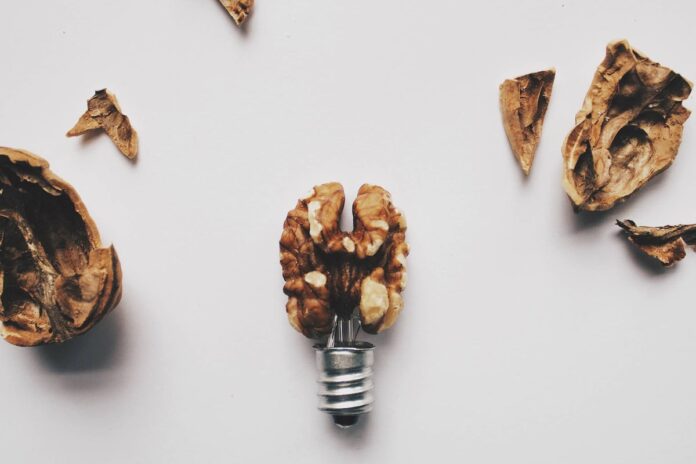

Eat these foods to slow brain aging. Over the past decade, the Mediterranean diet has consistently been tied to improved brain health. The diet has been associated with better memory, larger brain volume (less brain atrophy), slower cognitive decline, and protection against dementia. A modified version of the Mediterranean diet – the green-Mediterranean diet – has also been linked to a slower rate of brain aging with evidence suggesting it may even have a slight edge over the traditional Mediterranean diet.
The Green-Mediterranean Diet
The green-Mediterranean diet, like the traditional Mediterranean diet, is plentiful in vegetables, fruits, nuts, pulses, whole grains, and olive oil. However, the green-MED diet excludes processed and red meat, with a focus on plant protein and small amounts of fish and poultry. Unique to the green-MED diet is its higher content of polyphenols, phytochemicals with antioxidant and anti-inflammatory properties. To increase polyphenols, this diet includes a daily intake of three to four cups of green tea and a green shake containing Mankai, a branded strain of an aquatic plant called duckweed (Wolffia globosa).
Latest Research on Green-MED Diet and Brain Health
The latest research, published in the journal Clinical Nutrition, supports the idea that the green-MED diet can amplify the brain benefits of the original dietary pattern. According to the findings, the green-MED diet can lower levels of key blood proteins involved in accelerated brain aging.
The study analyzed data from the DIRECT PLUS trial, one of the longest-running trials on diet and brain health. The researchers set out to learn whether levels of circulating proteins in the bloodstream were different between people with distinct rates of brain aging, and whether these changes were influenced by diet.
The Green-MED Diet’s Impact on Damaging Proteins
A higher level of two specific serum proteins, Galectin-9 and Decorin, were significantly associated with accelerated brain aging. Over 18 months, only participants in the green-MED diet group had a significant reduction in Galectin-9. Decorin increased in all three diet groups, but those adhering to the green-MED diet had a slower rise in the harmful protein.
The protective effect of the green-MED diet is thought to be owing to its high polyphenol content, especially from walnuts, green tea, Mankai green shakes and extra virgin olive oil. These polyphenols can cross the blood-brain barrier and reduce inflammation, increase blood flow to the brain, and stimulate the formation of new brain cells. They’ve also been shown to reduce beta-amyloid accumulation.
Strengths and Limitations of the Study
While these new findings align with earlier results from the DIRECT PLUS trial showing the green-MED diet slowed age-related brain atrophy by about 50 per cent within 18 months, the study is not without limitations. It primarily enrolled men, so the relevance of the findings for women needs to be confirmed. The study also lacks information about participants’ cognitive status.
Simple Ways to Adopt a Polyphenol-rich Mediterranean Diet
To incorporate the green-MED diet into your daily routine, include vegetables, fruit, whole grains, and pulses (beans, chickpeas, and lentils) in your diet. Make extra virgin olive oil your principal cooking oil. Add 28 g (about one-quarter cup) of walnuts to your daily diet as a snack, tossed into salads, sprinkled on oatmeal and yogurt, or blended into smoothies. Sip on unsweetened green tea each day, hot or iced, aiming for three to four cups. Include polyphenol-rich produce in your diet such as arugula, kale, broccoli, spinach, parsley, artichokes, berries, and apples. Mankai duckweed powder is not available in North America, but duckweed powder is available online from Etsy.com; Amazon.com carries water lentil powder, a member of the duckweed family.
